
Die globale Bekleidungsbeschaffungslandschaft im Jahr 2026 hat einen Wendepunkt erreicht, den Markenkunden bei der Planung ihrer Lieferkettenstrategie für die kommenden Jahre sorgfältig abwägen sollten. Die Kombination aus sich entwickelnder Handelspolitik, einschließlich der AGOA-Wiedergenehmigung, die den zollfreien Zugang für qualifizierte afrikanische Hersteller bis zum 31. Dezember 2026 verlängert, die Volatilität der gegenseitigen Zollstrukturen, die traditionelle asiatische Beschaffungszentren wie Bangladesch, Vietnam, Kambodscha und Indonesien betreffen, die wachsende Nachfrage der Verbraucher nach transparenter und nachhaltiger Produktion und die betriebliche Komplexität des Managements von zunehmend geografisch verteilten Lieferketten hat Bedingungen geschaffen, die Marken begünstigen, die mit erfahrenen Produktionspartnern zusammenarbeiten, die integrierte Fähigkeiten über mehrere geografische Standorte hinweg unterhalten. Marken, die in dieser Zeit eine Partnerschaft mit HanJen Apparel anstreben, erhalten Zugang zu mehr als 50 Jahren Erfahrung in der OEM- und ODM-Fertigung, zu integrierten Produktionskapazitäten in unserem Hauptsitz in Taiwan und in unseren Fertigungsbetrieben in Kenia sowie zu einer strategischen Positionierung, die Markenkunden bei der Umstrukturierung der Lieferkette unterstützt, die die Bekleidungsindustrie in den letzten Jahren umgestaltet hat.
Die strategische Logik für die Bewertung von Produktionspartnerschaften spiegelt nun die bedeutenden Veränderungen in der Branchendynamik wider, die sowohl Herausforderungen als auch Chancen für Markenkunden geschaffen haben. Die handelspolitische Unsicherheit hat dazu geführt, dass die geografische Konzentration auf eine einzige Beschaffungsregion zunehmend riskant wird. Marken, die eine flexible Präsenz in mehreren Regionen aufrechterhalten, haben während der politischen Turbulenzen, die 2025 begannen und bis 2026 andauern, eine größere operative Widerstandsfähigkeit gezeigt. Der Vorteil der Widerstandsfähigkeit geht über die direkten handelspolitischen Auswirkungen hinaus und erstreckt sich auf die allgemeine operative Stabilität, die Marken in Zeiten von Unterbrechungen der Lieferkette unabhängig von der Quelle benötigen. Die Erwartungen der Verbraucher in Bezug auf Transparenz in der Produktion, ethische Arbeitspraktiken, ökologische Nachhaltigkeit und Produktqualität haben sich weiter entwickelt und erfordern Produktionspartner, die glaubwürdige Zertifizierungen und betriebliche Praktiken aufrechterhalten, die diese Erwartungen unterstützen. Die operative Komplexität bei der Verwaltung von Lieferketten mit mehreren Standorten begünstigt Produktionspartner mit integrierten Fähigkeiten anstelle von Transaktionsanbietern, denen es an der strategischen Ausrichtung fehlt, um den Erfolg der Markenkunden über verschiedene operative Dimensionen hinweg zu unterstützen. Markenteams, die in diesem Zeitraum Produktionspartnerschaften evaluieren, sollten die strategischen Auswirkungen von Partnerschaftsentscheidungen berücksichtigen, die sich über mehrere Produktsaisons und sich ändernde Marktbedingungen erstrecken und die kommerzielle Leistung der Marken in der gesamten globalen Bekleidungsindustrie im kommenden Jahrzehnt und unter verschiedenen Marktbedingungen beeinflussen. Die Auswirkungen betreffen nicht nur die unmittelbare Wirtschaftlichkeit der Beschaffung, sondern auch die Widerstandsfähigkeit der Marke, den Zugang zu Fähigkeiten und den Wert der strategischen Beziehung, die die Wettbewerbsposition der Marke über mehrere Jahre hinweg unterstützt.
Dieser Leitfaden untersucht den strategischen Kontext, der das Jahr 2026 zu einem besonders wichtigen Zeitpunkt für Markenkunden macht, um Produktionspartnerschaften zu evaluieren, die spezifischen Fähigkeiten, die HanJen Apparel als strategischen Produktionspartner auszeichnen, die AGOA-Möglichkeit, die den zollfreien Zugang zum US-Markt für qualifizierte Produktion unterstützt, die operative Exzellenz, die eine konsistente Produktqualität in unseren integrierten Betrieben unterstützt, und den praktischen Ansatz für Markenkunden, die Partnerschaftsmöglichkeiten untersuchen. Die Analyse stützt sich auf unsere Erfahrung in der Herstellung von Performance-Bekleidung für globale Markenkunden in den Kategorien Yoga Wear, Athleisure, Athletic, Performance und Swim, auf unsere betriebliche Integration zwischen den Werken in Taiwan und Kenia und auf die strategische Positionierung, die Markenkunden bei sich verändernden Marktbedingungen unterstützt. Die Tiefe der Behandlung spiegelt die strategische Bedeutung von Entscheidungen über Produktionspartnerschaften und die bedeutsamen kommerziellen Konsequenzen wider, die die richtige oder falsche Auswahl von Partnerschaften für die langfristige Wettbewerbsposition von Marken auf dem globalen Markt für Sportbekleidung hat.
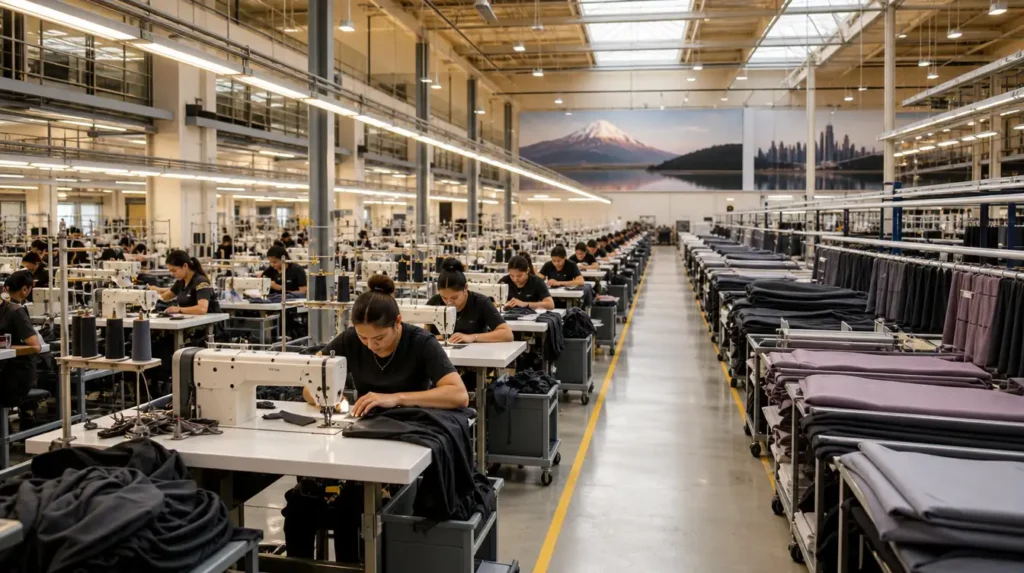
Der strategische Kontext 2026 für Entscheidungen der Produktionspartnerschaft
Wirksame Entscheidungen über Produktionspartnerschaften erfordern das Verständnis des strategischen Kontexts, der die Dynamik der Branche während des Bewertungszeitraums der Partnerschaft bestimmt. Der Kontext 2026 kombiniert mehrere Faktoren, die Markenkunden in ihren Bewertungsrahmen einbeziehen sollten, wobei der integrierte Kontext die Wirtschaftlichkeit der Partnerschaft, die betrieblichen Anforderungen und die langfristige strategische Positionierung stärker beeinflusst, als es jeder einzelne Faktor für sich genommen vermuten ließe. Markenteams, die Partnerschaften vor dem Hintergrund des integrierten strategischen Kontexts bewerten, treffen in der Regel fundiertere Entscheidungen als Teams, die sich auf einzelne Faktoren konzentrieren, ohne zu erkennen, wie diese zusammenwirken. Die Entscheidung, eine Partnerschaft mit HanJen Apparel einzugehen, spiegelt eine strategische Ausrichtung auf integrierte Produktionskapazitäten und nicht auf reine Kostenoptimierung wider.
AGOA-Neubevollmächtigung und afrikanische Fertigungschancen
Die erneute Genehmigung des African Growth and Opportunity Act im Februar 2026 durch H.R. 7148 (P.L. 119-75) verlängerte den präferenziellen Handelszugang für qualifizierte afrikanische Hersteller aus Ländern südlich der Sahara bis zum 31. Dezember 2026, mit rückwirkender Anwendung bis zum 30. September 2025. Die Wiederzulassung behebt die politische Unsicherheit, die die Planung der Markenkunden während des vorangegangenen Zeitraums beeinträchtigt hatte, als die Verlängerung des AGOA ungewiss war, und stellt den zollfreien Zugang zum US-Markt für Bekleidung und andere qualifizierte Produkte aus 32 derzeit AGOA-berechtigten afrikanischen Ländern südlich der Sahara mit aktiven Produktionskapazitäten für globale Markenkunden wieder her. Die Wiederzulassung betrifft insbesondere Bekleidungskategorien wie Strick- und Webwaren sowie bestimmte Bekleidungskategorien, die unter die Drittlandsklausel fallen, die erhebliche Vorteile bei den Anlandekosten im Vergleich zu Bekleidungsimporten aus nicht präferenziellen Beschaffungsorten bietet.
Die zollfreien Vorteile werden besonders aussagekräftig, wenn man sie mit den Meistbegünstigungszollsätzen vergleicht, die auf Bekleidung aus nicht-präferenziellen Quellen angewandt werden, zumal die reziproken Zollstrukturen zusätzliche Zollschichten hinzugefügt haben, die die Kostenlücke zwischen der AGOA-konformen Produktion und den nicht-präferenziellen Alternativen in der gegenwärtigen Periode erheblicher handelspolitischer Schwankungen, die sich auf die Planung der globalen Bekleidungsindustrie in den Jahren 2025 und 2026 über mehrere Produktkategorien und Marken-Kundenbeziehungen hinweg ausgewirkt haben, noch weiter vergrößern. Auf Baumwollkleidung wird in der Regel ein Meistbegünstigungszoll von etwa 16,5 Prozent erhoben, wenn sie aus nicht-präferenziellen Quellen eingeführt wird, während auf synthetische Strickwaren ein Meistbegünstigungszoll von bis zu 32 Prozent erhoben werden kann. Auf Sportbekleidung, einschließlich Badebekleidung, werden 24,9 bis 28,2 Prozent Zoll erhoben, auf Sporthosen und Leggings bis zu 28,2 Prozent, und auf verschiedene andere Leistungskategorien werden erhebliche Zollsätze erhoben, die durch den präferenziellen AGOA-Zugang für qualifizierte Produktionen vollständig beseitigt werden. Die Unterschiede bei den Zöllen schlagen sich direkt in Kostenvorteilen für die AGOA-konforme Produktion nieder, wobei die Einsparungen oft die Lohnkostenunterschiede übersteigen, die traditionell asiatische Produktionsstandorte begünstigen. Die Kostenvorteile in Verbindung mit den Vorteilen für die Stabilität der Lieferkette sind für Marken, die eine geografische Diversifizierung ihrer Produktionsstandorte in Erwägung ziehen, eine zwingende strategische Überlegung. Nach Ansicht von Dokumentation des Handelsbeauftragten der Vereinigten Staaten, Das AGOA-Programm unterstützt sowohl die wirtschaftliche Entwicklung in Afrika südlich der Sahara als auch wettbewerbsfähige Beschaffungsmöglichkeiten für US-Importeure, die zollfreien Zugang zum US-Markt suchen. Die Programmstruktur hat nachweislich wirtschaftliche Vorteile sowohl für die afrikanischen Erzeugerländer südlich der Sahara als auch für US-Importeure gebracht, die die Kostenvorteile nutzen und gleichzeitig positive Entwicklungsergebnisse unterstützen.
Die Volatilität der gegenseitigen Zölle beeinträchtigt die traditionelle asiatische Beschaffung
Die ab 2025 eingeführten reziproken Zollstrukturen haben für Markenkunden, die ihre Waren von traditionellen asiatischen Produktionsstandorten beziehen, über die gesamte Wertschöpfungskette der Bekleidungsherstellung hinweg zu erheblicher Unsicherheit geführt. Die Ungewissheit hat sich auf Planungsentscheidungen wie Produktionszuteilung, Bestandsmanagement, Preisstrategie und die Entwicklung längerfristiger Lieferantenbeziehungen ausgewirkt. Die Zollsätze schwankten je nach Umsetzungszeitraum und politischen Anpassungen dramatisch, wobei Bangladesch mit 37 Prozent, Vietnam mit 46 Prozent, Kambodscha mit 49 Prozent, Indonesien mit 32 Prozent und Sri Lanka mit 44 Prozent im Zeitraum 2025-2026 konfrontiert waren. Die Volatilität der Zölle setzte sich bis zum Urteil des Obersten Gerichtshofs vom Februar 2026 fort, das die Zölle vorübergehend auf 10 Prozent senkte, bevor es zu weiteren Anpassungen kam, was die Unvorhersehbarkeit der Handelspolitik für diese Beschaffungsstandorte verdeutlicht. Die anhaltende politische Ungewissheit stellt Markenteams, die versuchen, die Anlandungskosten und die Wettbewerbsposition für die kommenden Monate und Jahre zu prognostizieren, vor erhebliche Planungsprobleme.
Die Volatilität der Zölle stellt Marken, die sich auf traditionelle asiatische Beschaffungsstandorte konzentrieren, vor erhebliche Planungsherausforderungen, da sich die Berechnungen der Einstandskosten zwischen der Auftragserteilung und dem Eingang der Lieferung möglicherweise drastisch verschieben können. Die Section 301-Zölle, die die Produktion in China betreffen, erhöhen die reziproken Zollstrukturen um 7,5 bis 25 Prozent oder mehr, was die Beschaffungsökonomie für Marken, die einen Teil ihres Portfolios in China produzieren lassen, weiter erschwert. Marken, die ihre Produktionsflexibilität über mehrere Beschaffungsregionen hinweg aufrechterhalten, haben sich während der politischen Turbulenzen als widerstandsfähiger erwiesen, was die strategische Logik der geografischen Diversifizierung unterstützt, die neben traditionellen asiatischen Quellen auch AGOA-berechtigte afrikanische Produktionsstätten einschließt. Der Diversifizierungsansatz unterstützt auch eine bessere Verhandlungsposition mit einzelnen Produktionspartnern, da Marken mit mehreren Beschaffungsoptionen mehr Einfluss in Handelsgesprächen haben als Marken, die sich auf einzelne Regionen konzentrieren. Nach Angaben von Dokumentation zum AGOA-Programm der US-Zollbehörde und des Grenzschutzes, Die AGOA-Präferenzstruktur bietet eine vorhersehbare Handelspolitik, die unabhängig von gegenseitigen Zollanpassungen, die andere Beschaffungsregionen betreffen, eine stabile Planung der Markenkunden unterstützt.
Verbrauchererwartungen in Bezug auf Nachhaltigkeit und Transparenz
Die Erwartungen der Verbraucher in Bezug auf die Transparenz der Produktion, ethische Arbeitspraktiken und ökologische Nachhaltigkeit haben sich weiter entwickelt, wobei immer mehr Verbrauchergruppen diese Faktoren bei ihren Kaufentscheidungen berücksichtigen. Diese Erwartungen wirken sich auf die Wettbewerbspositionierung von Marken an verschiedenen Berührungspunkten aus, z. B. bei der Produktverpackung, der Marketingkommunikation, der Präsentation im Einzelhandel und der direkten Kundenansprache. Marken, die Partnerschaften mit Herstellern unterhalten, die glaubwürdige Nachhaltigkeits- und Transparenzaussagen unterstützen, erreichen in der Regel ein stärkeres Verbraucherengagement als Marken mit weniger sichtbaren Praktiken in der Lieferkette oder Partnerschaften mit Herstellern, die nicht über die Zertifizierungen verfügen, die Nachhaltigkeitsansprüche unterstützen. Der Unterschied im Engagement schlägt sich in messbaren kommerziellen Ergebnissen in den demografischen Segmenten der Verbraucher nieder, die diesen Faktoren zunehmend Priorität einräumen.
Zu den Zertifizierungen und Betriebspraktiken, die das Thema Nachhaltigkeit unterstützen, gehören die WRAP-Zertifizierung (Worldwide Responsible Accredited Production) für ethische Herstellungspraktiken, die GRS-Zertifizierung (Global Recycled Standard) für Produkte mit recyceltem Inhalt, die OEKO-TEX-Zertifizierung für chemische Sicherheit, die ISO 14001-Zertifizierung für Umweltmanagement und verschiedene Plattformen für die Transparenz der Lieferkette, die die Produktionsbedingungen für die Kommunikation mit dem Verbraucher dokumentieren. Produktionspartner, die diese Zertifizierungen und die dahinter stehenden betrieblichen Praktiken aufrechterhalten, bieten den Markenkunden eine glaubwürdige Grundlage für die Kommunikation von Nachhaltigkeit und Transparenz, auf die Verbrauchersegmente bei Kaufentscheidungen zunehmend Wert legen. Diese Glaubwürdigkeit unterstützt auch die Beziehungen zu den Käufern im Einzelhandel, da große Einzelhändler von ihren Lieferanten zunehmend nachweisbare Nachhaltigkeitspraktiken als Bedingung für den Zugang zu ihren Vertriebskanälen verlangen. Markenkunden können die Produktionskapazitäten in unserem Leggings Produktionsseite, auf der eine umfassende Zertifizierung die verschiedenen Nachhaltigkeitsnarrative in den verschiedenen Bekleidungskategorien unterstützt. Die Breite der Zertifizierung unterstützt Markenkunden sowohl bei etablierten Nachhaltigkeitsnarrativen als auch bei aufkommenden Nachhaltigkeitsanforderungen, auf die sich die Verbrauchererwartungen im Laufe der Zeit in verschiedenen demografischen Segmenten und geografischen Märkten weiterentwickeln.
HanJen Apparel Manufacturing Fähigkeiten und strategische Positionierung
HanJen Apparel hat an seinem Hauptsitz in Taiwan und in Kenia integrierte Produktionskapazitäten aufgebaut, die Markenkunden durch verschiedene Beschaffungsstrategien und Produktprogramme in verschiedenen Kategorien von Leistungsbekleidung unterstützen. Die durch jahrzehntelange Investitionen entwickelte Integration unterstützt die operative Tiefe, die unser Angebot von Produktionspartnern mit jüngerer oder geringerer Kompetenzentwicklung unterscheidet. Unsere mehr als 50-jährige Erfahrung in der OEM- und ODM-Fertigung bietet die operative Tiefe, die Kundenprogramme von Premiummarken unterstützt, während unsere integrierte Dual-Hub-Struktur die operative Flexibilität bei sich ändernden handelspolitischen und Marktbedingungen fördert. Die hier beschriebenen Fähigkeitsdimensionen spiegeln unsere tatsächlichen operativen Fähigkeiten wider, die wir durch jahrzehntelange Betreuung von Markenkunden in verschiedenen Bekleidungskategorien entwickelt haben, wobei die spezifischen Beschreibungen eher auf die aktuelle betriebliche Realität im Jahr 2026 abgestimmt sind als auf ehrgeizige Behauptungen über die Entwicklung zukünftiger Fähigkeiten. Marken, die eine Partnerschaft mit HanJen Apparel eingehen, können auf diese etablierten Fähigkeiten sofort zugreifen, anstatt auf die Entwicklung von Fähigkeiten zu warten, die Wettbewerber möglicherweise noch aufbauen.
Integrierte Operationen in Taiwan und Kenia
Die Integration zwischen unserem Hauptsitz in Taiwan und den Produktionsbetrieben in Kenia unterstützt die Markenkunden durch koordinierte Produktionsplanung, den Transfer von technischen Fähigkeiten und betriebliche Flexibilität über geografische Standorte hinweg. Die taiwanesischen Betriebe bilden die Grundlage für die technische Exzellenz, einschließlich der Entwicklung von Schnittmustern, der Entwicklung von Mustern, der Leitung von Qualitätssystemen und des kumulierten Fertigungswissens, das wir in unserer mehr als 50-jährigen Geschichte als Dienstleister für Markenkunden in allen Kategorien von Performance-Bekleidung entwickelt haben. Die gesammelte Erfahrung ist eines der wichtigsten Unterscheidungsmerkmale zwischen unserem Angebot und dem von Herstellern mit einer kürzeren oder weniger vielfältigen Kundenentwicklungsgeschichte. Die kenianischen Betriebe bieten AGOA-konforme Produktionskapazitäten, Vorteile bei den Anlandekosten für Sendungen in die USA und eine geografische Positionierung, die den Einzelhandelsvertrieb an der US-Ostküste durch Versandrouten von Mombasa in die USA unterstützt, die in der Regel eine Transitzeit von 25 bis 28 Tagen haben. Die Transitzeit ist im Vergleich zu alternativen Routen von verschiedenen asiatischen Produktionsstandorten aus günstig, was ein reaktionsschnelleres Bestandsmanagement und eine schnellere Reaktion der Marke auf Nachfrageschwankungen ermöglicht.
Die betriebliche Integration zwischen den Standorten unterstützt den Wissenstransfer, der für einheitliche Qualitätsstandards in allen geografischen Betrieben sorgt. Meistertechniker und Musteringenieure aus Taiwan haben in unserem Werk in Kenia längere Schulungen durchgeführt und so die lokalen Fähigkeiten aufgebaut, die eine unabhängige operative Exzellenz unterstützen, während die technische Ausrichtung beibehalten wurde, die eine standortübergreifende Produktion unterstützt. Die Methodik des technischen Transfers, die im Rahmen mehrerer Schulungsmaßnahmen entwickelt wurde, hat nachweislich zu Verbesserungen bei der Effizienz der Kompetenzentwicklung und der Qualitätskonsistenz geführt. Der integrierte Ansatz unterscheidet uns von Herstellern, die nur an einzelnen Standorten tätig sind oder die an verschiedenen geografischen Standorten unzusammenhängende Abläufe unterhalten, ohne die systematische Integration, die konsistente Ergebnisse für die Markenkunden unterstützt. Die Markenkunden profitieren von der betrieblichen Flexibilität durch die Möglichkeit, die Produktion auf der Grundlage der Handelspolitik, der Kapazitätsverfügbarkeit und der spezifischen Anforderungen der Markenkunden, die für verschiedene Produktprogramme unterschiedliche geografische Standorte bevorzugen können, auf die einzelnen Standorte zu verteilen. Die Zuweisungsflexibilität bietet einen kontinuierlichen strategischen Wert, der über eine einzelne Programmentscheidung hinausgeht.
Kategorieübergreifende Fertigungskompetenz
Unsere Produktionskapazitäten erstrecken sich über mehrere Kategorien von Performance-Bekleidung, darunter Yoga Wear, Athleisure, Athletic, Performance Underwear und Swim, und unterstützen Markenkunden über verschiedene Produktportfolios hinweg, anstatt sie auf spezialisierte Programme für einzelne Kategorien zu beschränken. Das kategorieübergreifende Fachwissen spiegelt unsere integrierten Investitionen in technische Stoffbeziehungen, spezialisierte Konstruktionsausrüstung, qualifizierte Mitarbeiter, die in der Lage sind, über mehrere Produkttypen hinweg zu arbeiten, und die Materialinfrastruktur wider, die die Entwicklung verschiedener Produkte effizient unterstützt. Das breite Fachwissen unterstützt Markenkunden auch bei Programmen zur Erweiterung der Produktkategorien, da bereits Kapazitäten für Marken vorhanden sind, die ihr Produktportfolio auf angrenzende Kategorien von Activewear ausdehnen möchten, ohne dass neue Lieferantenqualifizierungszyklen erforderlich sind. Die Verfügbarkeit von Fähigkeiten beschleunigt die Zeitpläne für die Erweiterung von Markenkategorien und unterstützt eine sichere strategische Planung der Portfolioentwicklung.
Zu den spezifischen Fähigkeiten, die kategorieübergreifende Programme unterstützen, gehören die Konstruktion von Flatlock-Nähten (unter Verwendung der Stichklassen ISO 605 und 607) für Yoga- und Sportbekleidung, die Konstruktion von Coverstitch-Nähten (unter Verwendung von ISO 406) für Sportsäume und Ziernähte, die Konstruktion von geklebten Nähten für Premium-Schwimm- und Ultraflat-Anwendungen, Spezialnähte für Leistungsunterwäsche und die Konstruktion von Basisschichten sowie die Präzision beim Zuschnitt von elastischen Stoffen, die eine konsistente Passform bei allen Programmen für dehnbare Stoffe unterstützt. Die integrierten Fähigkeiten in diesen technischen Disziplinen spiegeln die anhaltenden Investitionen in Anlagen, die Entwicklung von Bedienern und betriebliche Systeme wider, die eine konsistente Ausführung in verschiedenen Produktprogrammen für Markenkunden in mehreren Kategorien von Funktionsbekleidung unterstützen. Markenkunden können die kategoriespezifischen Fähigkeiten auf unserer Badeanzug, Jacke, und Basisschicht Produktionsseiten, auf denen ein umfassendes Leistungsspektrum die verschiedenen Programme der Markenkunden über die gesamte Kategorie der Leistungsbekleidung hinweg unterstützt. Die integrierte Kategoriefähigkeit unterstützt Markenkunden, die Lösungen von einem einzigen Partner für verschiedene Produktportfolios suchen.
Umfassende Qualitätssysteme und Zertifizierungen
Unsere Qualitätssysteme unterstützen konsistente Produktergebnisse über mehrere Produktionszyklen und Markenkundenprogramme hinweg durch strukturierte Protokolle, die die Materialeingangskontrolle, die Inline-Produktionsüberwachung, die Endproduktprüfung und die laufenden Entwicklungsaktivitäten der Lieferanten umfassen. Die Systemintegration unterstützt eine kumulative Qualitätsverbesserung, von der alle Markenkunden durch fortschreitende betriebliche Verfeinerung über mehrere Produktionszyklen hinweg profitieren. Der integrierte Ansatz führt langfristig zu besseren Ergebnissen als fragmentierte Qualitätssysteme, die sich mit einzelnen Problemen befassen, ohne die Entwicklung breiterer Fähigkeiten zu unterstützen. Der Reifegrad des Qualitätssystems spiegelt die jahrzehntelange Erfahrung in der Zusammenarbeit mit anspruchsvollen Markenkunden wider, wobei die Systeme so kalibriert sind, dass sie die strengen Anforderungen von Premium-Performance-Bekleidungsprogrammen unterstützen und nicht die geringeren Anforderungen, die bei der Produktion von Billigprodukten üblich sind. Zu den Zertifizierungen, die unsere Qualitätspositionierung untermauern, gehören die WRAP-Zertifizierung für ethische Herstellungspraktiken, die OEKO-TEX-Zertifizierung für Chemikaliensicherheit, ISO-Zertifizierungen für Managementsysteme und kategoriespezifische Zertifizierungen für Performance-Bekleidung, einschließlich Bademode und Sportbekleidung.
Die Zertifizierungen unterstützen die Marketingaussagen der Markenkunden und die Erwartungen der Einzelhandelskäufer und bilden eine glaubwürdige Grundlage für die Darstellung von Nachhaltigkeit und ethischer Beschaffung, die von den Verbrauchern zunehmend geschätzt wird. Zu den betrieblichen Praktiken, die hinter den Zertifizierungen stehen, gehören die Zahlung existenzsichernder Löhne für die Produktionsmitarbeiter, Umweltmanagementprotokolle, die die Wasser- und Energieeffizienz fördern, sowie Programme zur Mitarbeiterentwicklung, die sowohl betriebliche Spitzenleistungen als auch die Weiterentwicklung der Mitarbeiter unterstützen. Die integrierten Praktiken bringen nachweislich Vorteile für die Arbeitnehmer und die betriebliche Leistung und unterstützen die strategische Logik der Investition in ethische und nachhaltige Herstellungspraktiken, die sowohl mit den Zielen der Arbeitnehmerentwicklung als auch mit den Erwartungen der Markenkunden an eine verantwortungsvolle Beschaffung übereinstimmen. Nach Angaben von American Apparel and Footwear Association Industrieforschung, Die umfassende Unterstützung bei der Zertifizierung ist eines der wichtigsten Unterscheidungsmerkmale zwischen Premium- und Standard-Produktionspartnern in der globalen Bekleidungsindustrie, die Markenkunden in verschiedenen strategischen Prioritäten und Verbrauchermarktsegmenten bedienen.
Vergleich der strategischen Profile von Fertigungspartnern
Die wichtigsten strategischen Profile der Produktionspartner, die den Markenkunden im Jahr 2026 zur Verfügung stehen, führen zu deutlich unterschiedlichen Ergebnissen, je nach geografischer Konzentration, Kompetenztiefe und strategischer Ausrichtung. Die nachstehende Tabelle fasst die wichtigsten Merkmale gängiger Partnerprofile in der globalen Bekleidungsindustrie zusammen und bietet einen Referenzrahmen, den Markenkunden zur Bewertung von Partnerschaftsentscheidungen nutzen können. Die Werte stellen typische Branchenmuster dar und sollten auf der Grundlage der tatsächlichen Fähigkeiten und der spezifischen strategischen Prioritäten des Markenkunden auf spezifische Partnerbeziehungen abgestimmt werden.
| Partnerprofil | Geografischer Fußabdruck | Handelspolitische Resilienz | Fähigkeit Tiefe | Investitionsniveau | Operative Komplexität | Am besten geeignet für | Strategische Logik |
|---|---|---|---|---|---|---|---|
| Einzelner Standort Asiatischer Hersteller | Einziges Land | Gering (Konzentrationsrisiko) | Variabel | Gering bis mäßig | Niedrig | Marken, die die unmittelbaren Kosten in den Vordergrund stellen | Reine Kostenoptimierung ohne Ausfallsicherheit |
| Multi-Asien-Hersteller | Mehrere asiatische Länder | Mäßig (regionale Konzentration) | Mäßig bis stark | Mäßig | Mäßig | Marken mit etablierter asiatischer Beschaffung | Regionale Flexibilität in Asien |
| Asien-Afrika Integrierter Hersteller | Drehscheibe Asien plus Afrika | Hoch (regionsübergreifende Resilienz) | Stark | Mäßig bis hoch | Hoch | Marken, die AGOA-Vorteile mit technischer Tiefe anstreben | Geografische Resilienz plus AGOA-Vorteil |
| Asien-Amerika Integrierter Hersteller | Asien plus küstennahe Gebiete | Hoch (regionsübergreifende Resilienz) | Stark | Hoch | Hoch | Marken setzen auf nordamerikanisches Angebot | USMCA-Vorteil plus asiatische Fähigkeiten |
| Vertikal integrierter Markenhersteller | Variabel | Variabel | Markenspezifisch | Sehr hoch | Sehr hoch | Marken mit internen Fertigungsinvestitionen | Vollständige vertikale Integration |
| Spezialist für afrikanische Hersteller | Afrika im Mittelpunkt | Mäßig (regionale Konzentration) | Variabel bis stark | Mäßig | Mäßig | Marken engagieren sich für AGOA-Strategie | Schwerpunkt afrikanische Beschaffung |
| Generalistische Handelsgesellschaft | Variabel | Variabel | Begrenzte Direktfähigkeit | Niedrig | Niedrig | Marken ohne direkten Herstellerzugang | Vermittelter Zugang ohne strategische Tiefe |
| Strategischer Premium-Hersteller | Überregional integriert | Sehr hoch | Sehr stark | Hoch | Hoch | Tier-1-Marken suchen umfassende Partnerschaft | Strategische Partnerschaft für Kategorieführerschaft |
Der Vergleich zeigt, dass das optimale Partnerprofil wesentlich von den strategischen Prioritäten des Markenkunden abhängt, einschließlich der Anforderungen an die geografische Stabilität, die erforderliche Kapazitätstiefe und die Bereitschaft, in strategische Partnerschaften statt in transaktionale Lieferantenbeziehungen zu investieren. Marken, die Wert auf betriebliche Stabilität und AGOA-Präferenzhandelsvorteile legen, profitieren in der Regel von integrierten asiatisch-afrikanischen Herstellern wie HanJen Apparel, die die technischen Fähigkeiten etablierter asiatischer Betriebe mit AGOA-konformen Produktionskapazitäten in afrikanischen Betrieben kombinieren. Die integrierte Struktur unterstützt eine kontinuierliche Flexibilität, die Hersteller aus einer einzelnen Region unabhängig von ihren individuellen Stärken nicht bieten können. Marken, die sich der Entwicklung umfassender Partnerschaften verschrieben haben, bevorzugen in der Regel strategische Premium-Hersteller, die über die integrierten Fähigkeiten und die strategische Ausrichtung verfügen, die den langfristigen kommerziellen Erfolg über mehrere Produktsaisons hinweg unterstützen. Markenkunden sollten bei der Auswahl von Produktionspartnern neben der Bewertung der Fähigkeiten auch die Übereinstimmung des strategischen Profils berücksichtigen, da beide Dimensionen die langfristigen Partnerschaftsergebnisse in den mehrjährigen Beziehungen beeinflussen, die die besten kommerziellen Ergebnisse hervorbringen. Die Bewertung des strategischen Profils unterscheidet oft zwischen oberflächlich ähnlichen Leistungsansprüchen und wirklich differenzierten Partnerschaftsangeboten.
Engagement-Ansatz für die Entwicklung von Marken-Kunden-Partnerschaften
Markenkunden, die eine Partnerschaft mit HanJen Apparel anstreben, können sich in strukturierten Prozessen engagieren, die sowohl den unmittelbaren operativen Bedarf als auch die längerfristige Entwicklung einer strategischen Beziehung unterstützen. Der hier beschriebene Ansatz zur Einbindung spiegelt unseren Standardprozess zur Kundenentwicklung wider, wobei bestimmte Elemente auf der Grundlage der individuellen Umstände und strategischen Prioritäten des Markenkunden angepasst werden können. Die Flexibilität innerhalb des strukturierten Ansatzes unterstützt die verschiedenen Muster der Kundeneinbindung bei gleichzeitiger Beibehaltung der Disziplin, die zu konsistenten Ergebnissen bei der Entwicklung von Partnerschaften über verschiedene Kundenprofile und strategische Prioritäten hinweg führt. Markenteams, die mit klaren strategischen Zielen und engagierten Ressourcen an das Engagement herangehen, erreichen in der Regel eine schnellere und produktivere Partnerschaftsentwicklung als Ansätze, denen es an klarer Ausrichtung oder ausreichendem Ressourceneinsatz mangelt. Die Entscheidung für eine Partnerschaft mit HanJen Apparel profitiert von diesem disziplinierten Ansatz während des mehrstufigen Entwicklungszyklus, der zu produktiven langfristigen Geschäftsbeziehungen führt.
Erste Diskussion über Fähigkeiten und Informationsaustausch
Das erste Engagement beginnt in der Regel mit einer Diskussion über die Fähigkeiten, die beiden Parteien dabei hilft, die strategische Ausrichtung und die operative Passung in den Dimensionen zu verstehen, die für die spezifischen strategischen Prioritäten des Markenkunden am wichtigsten sind. Diese Diskussion dient als Grundlage für alle nachfolgenden Aktivitäten. Die Markenkunden beschreiben ihre Zielproduktkategorien, Volumenanforderungen, Qualitätspositionierung, die Geschichte der Markenkunden und die strategischen Prioritäten für die Partnerschaft. Unser Team liefert Informationen über die spezifischen Fertigungskapazitäten, die geografische Betriebsstruktur, den Zertifizierungsstatus, frühere Erfahrungen mit Markenkunden und die strategische Ausrichtung, die den Erfolg der Markenkunden unterstützt. Der Austausch unterstützt fundierte Entscheidungen darüber, ob mit einer tieferen Bewertung fortgefahren werden soll oder ob die strategische Ausrichtung möglicherweise keine weiteren Investitionen rechtfertigt.
Die anfängliche Diskussion sollte offen und detailliert und nicht oberflächlich sein, wobei beide Parteien bereit sind, ihre Stärken, die in der Entwicklung befindlichen Fähigkeiten und mögliche Einschränkungen ehrlich zu erörtern. Der ehrliche Dialog verhindert eine Fehlausrichtung, die im späteren Verlauf des Engagements auftreten könnte, wenn Fähigkeiten eher operativ getestet als theoretisch diskutiert werden. Die frühzeitige Ehrlichkeit unterstützt auch die langfristige Entwicklung einer produktiven Beziehung, indem sie die Vertrauensbasis schafft, die eine produktive Zusammenarbeit bei unvermeidlichen Herausforderungen und Anpassungen ermöglicht. Markenkunden sollten spezifische Fragen zu Kompetenzbereichen stellen, die für ihre strategischen Prioritäten relevant sind, wobei unser Team konkrete Beispiele und Referenzkundeninformationen liefert, anstatt nur allgemeine Kompetenzbehauptungen aufzustellen. Spezifische Informationen unterstützen eine fundiertere Bewertung als allgemeine Behauptungen, und die Bereitschaft, spezifische Nachweise zu erbringen, unterscheidet fähige Hersteller oft von weniger fähigen Alternativen, die es vorziehen, ihre tatsächlichen Fähigkeiten im Unklaren zu lassen. Markenkunden können unsere integrierten Fähigkeiten über unsere Fabrik besuchen Seite, auf der umfassende betriebliche Informationen eine fundierte erste Diskussion über Partnerschaftsmöglichkeiten und strategische Ausrichtung unterstützen.
Entwicklung von Mustern und Durchführung von Pilotprogrammen
Markenkunden, die die anfängliche Diskussionsphase hinter sich gelassen haben, engagieren sich in der Regel im Rahmen von Musterentwicklungsprogrammen, die die Partnerschaft an tatsächlichen Produktprogrammen im beabsichtigten Portfoliobereich der Marke operativ testen. Die Musterentwicklung stellt den ersten substanziellen operativen Test der Partnerschaft dar, der über die theoretische Diskussion der Fähigkeiten hinausgeht und direkte Beweise für die Fertigungsfähigkeit, die Effektivität der Kommunikation und die operative Ausrichtung liefert, die fundierte Entscheidungen über den späteren Umfang des Engagements unterstützen. In der Phase der Musterentwicklung wird der gesamte Entwicklungszyklus durchlaufen, einschließlich der Interpretation der technischen Spezifikationen, der Musterentwicklung, der Stoffauswahl, der Musterkonstruktion und der Qualitätsprüfung. Die Arbeit an den Mustern liefert direkte Beweise für die Herstellungskapazität, die Effektivität der Kommunikation und die betriebliche Abstimmung, die über das hinausgehen, was eine theoretische Diskussion zeigen kann. Markenkunden sollten an Musterprogramme mit realistischen Erwartungen herangehen, die auch einige Reibungen in der frühen Phase der Beziehungsentwicklung beinhalten, wobei die Bewertung der Lebensfähigkeit der Partnerschaft eher auf der Qualität der Gesamtausführung als auf der Perfektion der ersten Iteration basiert.
Die Durchführung des Pilotprogramms folgt in der Regel auf die erfolgreiche Entwicklung von Mustern und die Skalierung auf begrenzte Produktionsmengen, mit denen die Betriebsfähigkeit im Produktionsmaßstab getestet wird. Der Umfang des Pilotprogramms sollte so groß sein, dass die operativen Systeme sinnvoll getestet werden können, aber auch so begrenzt, dass das Risiko während der Entwicklung der Beziehungen überschaubar bleibt. Pilotprogramme erstrecken sich in der Regel über einen oder zwei Produktionszyklen, wobei die laufende Bewertung die Entscheidung über ein breiteres Engagement unterstützt. Produktionspartnerschaften, die während der Pilotprogramme gut abschneiden, rechtfertigen in der Regel eine tiefere Investition in die Beziehung, während Partnerschaften, die während der Pilotprogramme Schwierigkeiten haben, ungeachtet der theoretischen Fähigkeiten für ein breiteres Engagement nicht geeignet sind. Die Pilotevaluierung liefert wesentlich aussagekräftigere Beweise für die Lebensfähigkeit von Partnerschaften als die Dokumentation der Fähigkeiten allein. Industrie-Ressourcen von Technische Normen der AATCC die Testmethoden zu dokumentieren, die eine konsistente Bewertung der Fähigkeiten in den Muster- und Pilotphasen unterstützen.
Entwicklung strategischer Partnerschaften und langfristiges Engagement
Markenkunden und HanJen Apparel, die erfolgreiche Pilotprogramme durchführen, entwickeln sich in der Regel zu strategischen Partnerschaften, die sich über mehrere Produktsaisons und Produktkategorien erstrecken. Die Phase der strategischen Partnerschaft umfasst die gemeinsame Planung der Kapazitätszuweisung, der Prioritäten für die Entwicklung von Fähigkeiten und der Entwicklung des Produktportfolios, um den langfristigen wirtschaftlichen Erfolg beider Parteien zu unterstützen. Die Partnerschaft wird oft auf zusätzliche Produktkategorien, geografische Aktivitäten und strategische Initiativen ausgeweitet, wenn die Beziehung reift und beide Parteien ein tieferes Verständnis für die Fähigkeiten und Prioritäten der jeweils anderen Seite entwickeln.
Die Ausrichtung auf strategische Partnerschaften führt im Laufe der Zeit zu steigenden Erträgen, die bei transaktionalen Lieferantenbeziehungen nicht durch eine Kombination aus betrieblicher Effizienz oder Kostenoptimierung erreicht werden können. Die sich gegenseitig verstärkenden Erträge machen Partnerschaftsinvestitionen besonders wertvoll für Marken, die über mehrere Jahre hinweg eine nachhaltige Führungsposition in ihrer Kategorie anstreben. Das gesammelte Wissen über mehrere Produktprogramme, die durch wiederholte erfolgreiche Zyklen entwickelten Betriebsrhythmen und die persönlichen Beziehungen zwischen den wichtigsten Mitarbeitern tragen zu einer Partnerschaftseffektivität bei, die über das hinausgeht, was bei einem Transaktionsgeschäft auf dem freien Markt möglich wäre. Markenkunden, die langfristige Partnerschaften mit unseren Betrieben aufgebaut haben, berichten in der Regel von nachhaltiger Effizienz in der Produktentwicklung, konsistenten Qualitätsergebnissen und strategischer Flexibilität, die die Positionierung der Marke im Wettbewerb bei unvermeidlichen Marktveränderungen und Wettbewerbsherausforderungen unterstützt. Der akkumulierte Wert in diesen Dimensionen wird zu einem bedeutenden Wettbewerbsvorteil, den Marken, die mit oberflächlichen Lieferantenbeziehungen arbeiten, nicht einfach durch taktische Beschaffungsansätze replizieren können, die kurzfristige Flexibilität gegenüber langfristiger Kompetenzentwicklung priorisieren.
Umsetzungsfahrplan für den Aufbau produktiver Fertigungspartnerschaften
Markenkunden, die Produktionspartnerschaften anstreben oder entwickeln, können einem strukturierten Fahrplan folgen, der strategische Ambitionen mit praktischer operativer Ausführung in Einklang bringt. Der Fahrplan erstreckt sich in der Regel über mehrere Phasen, die schrittweise von der anfänglichen Diskussion über die Fähigkeiten bis hin zur Entwicklung einer strategischen Partnerschaft reichen, wobei jede Phase die Grundlagen für den Erfolg der nachfolgenden Phasen schafft. Der phasenweise Ansatz unterstützt auch eine realistische Ressourcenplanung und ermöglicht Kurskorrekturen auf der Grundlage der beobachteten Ergebnisse, anstatt sich auf langfristige Partnerschaftsengagements ohne Anpassungsmöglichkeiten festzulegen. Die Markenführung sollte den Fahrplan mit angemessener Geduld angehen und erkennen, dass sich produktive Fertigungspartnerschaften durch ein nachhaltiges Engagement entwickeln und nicht durch einzelne Beschaffungsentscheidungen oder kurze Evaluierungszeiträume entstehen.
Phase 1: Strategische Bewertung und erste Kontaktaufnahme
Die strategische Bewertungsphase schafft die strategische Grundlage für die Entwicklung von Partnerschaften durch die Analyse von Markenprioritäten, die Identifizierung von Fähigkeitslücken, die Definition des Profils von Zielherstellern und die Planung des Ressourceneinsatzes über den mehrmonatigen Zeitrahmen, der für die Entwicklung produktiver Partnerschaften normalerweise erforderlich ist. Die systematische Grundlagenarbeit unterstützt ein gezielteres späteres Engagement als Ansätze, die ohne klare strategische Grundlage mit der Partnerakquise beginnen. Die Phase erstreckt sich in der Regel über 2 bis 4 Monate und bildet die strategische Grundlage für die anschließende Partnerauswahl und die Engagementaktivitäten. Bei der Bewertung sollten die aktuelle Beschaffungsstruktur, die beobachteten Probleme oder Fähigkeitslücken, die strategischen Prioritäten für die Entwicklung von Partnerschaften und die verfügbaren Markenressourcen zur Unterstützung der Partnerschaftsentwicklung über den mehrmonatigen Engagement-Zeitraum hinweg untersucht werden. In der ersten Phase der Kontaktaufnahme werden potenzielle Produktionspartner, die dem Zielprofil entsprechen, identifiziert und kontaktiert. Dabei werden Informationen gesammelt, die die Entscheidung darüber unterstützen, welche Kandidaten in der anschließenden Bewertungsphase durch Betriebsbesuche und Arbeitsproben eingehender bewertet werden sollten.
Phase 2: Detaillierte Bewertung und Pilotentwicklung
In der detaillierten Evaluierungsphase werden die in Frage kommenden Produktionspartner durch eine strukturierte Bewertung untersucht, die Betriebsbesuche, Feedback von Referenzkunden, die Bewertung von Arbeitsproben und die Überprüfung der Fähigkeitsdokumentation in den verschiedenen Bereichen umfasst, die die Eignung der Partnerschaft für die spezifischen strategischen Prioritäten der Marke bestimmen. Die strukturierte Bewertung unterstützt faktenbasierte Entscheidungen anstelle von Eindrücken, die sich aus begrenzten Informationen ergeben. Die Phase erstreckt sich in der Regel über 3 bis 6 Monate und liefert die Grundlage für fundierte Entscheidungen bei der Partnerschaftsauswahl. In der Pilotentwicklungsphase wird ein operatives Engagement für tatsächliche Produktprogramme eingeleitet, um sowohl die Produktionskapazität als auch die Arbeitsbeziehung unter realistischen Betriebsbedingungen zu validieren. Der Umfang des Pilotprojekts sollte so groß sein, dass die operativen Systeme sinnvoll eingesetzt werden können, und gleichzeitig so begrenzt, dass die Risiken während der Entwicklungsphase der Partnerschaft beherrschbar sind. Der Risikomanagement-Ansatz während der Pilotentwicklung unterstützt das Vertrauen der Marke in Skalierungsentscheidungen und schützt gleichzeitig vor den Folgen einer Partnerschaftsauswahl, die möglicherweise nicht den ursprünglichen Erwartungen entspricht.
Phase 3: Aufbau einer strategischen Partnerschaft und Phase 4: Kontinuierliche Zusammenarbeit
In der Aufbauphase der strategischen Partnerschaft wird die Beziehung durch Partnerschaftsvereinbarungen, integrierte Planungsprozesse, Systeme zur Leistungsmessung und betriebliche Rhythmen formalisiert, die eine produktive langfristige Zusammenarbeit über mehrere Produktsaisons und wechselnde Marktbedingungen hinweg unterstützen. Durch die Formalisierung wird die Grundlage geschaffen, die die Stabilität der Beziehung über unvermeidliche Herausforderungen hinweg unterstützt. Diese Phase erstreckt sich in der Regel über das erste Jahr der aktiven Partnerschaft und bildet die Grundlage für eine spätere Vertiefung der Beziehung über mehrere Produktperioden hinweg. Die Phase der kontinuierlichen Zusammenarbeit erstreckt sich auf unbestimmte Zeit, mit regelmäßiger Kommunikation, gemeinsamer Planung, Leistungsüberprüfung und kontinuierlicher Verbesserung zur Unterstützung einer nachhaltigen Effektivität der Partnerschaft. Markenkunden und HanJen Apparel, die diese mehrstufige Entwicklung durchlaufen, erreichen in der Regel produktive, langfristige Partnerschaften, die sich über mehrere Produktsaisons hinweg durch angesammeltes Wissen, betriebliche Abstimmung und die persönlichen Beziehungen, die eine effektive Zusammenarbeit bei unvermeidlichen Herausforderungen und Anpassungen unterstützen, auszahlen. Diese Rendite wird besonders in Zeiten von Wettbewerbsdruck oder betrieblichen Störungen sichtbar, wenn etablierte Partnerschaften eine Stabilität bieten, die neuere Beziehungen nicht erreichen können.
Risikoerwägungen und ehrliche Bewertung von Partnerschaftsentscheidungen
Eine ehrliche Bewertung der Entscheidung für eine Produktionspartnerschaft muss mehrere praktische Überlegungen und Kompromisse berücksichtigen, die Markenkunden in ihre Entscheidungsfindung einbeziehen sollten. Die erste Überlegung ist, dass keine Produktionspartnerschaft jegliches Beschaffungsrisiko ausschließt. Selbst ausgezeichnete Partnerschaften sind Betriebsstörungen, Marktveränderungen und den unvermeidlichen Herausforderungen ausgesetzt, die sich bei mehrjährigen Geschäftsbeziehungen ergeben. Markenkunden sollten Produktionspartnerschaften realistisch bewerten und nicht erwarten, dass eine Partnerschaft absolute Zuverlässigkeit bietet. Ein angemessenes Risikomanagement durch Bestandsplanung, alternative Lieferantenbeziehungen und betriebliche Flexibilität unterstützt die Widerstandsfähigkeit der Marke unabhängig von der Wahl der Partnerschaft. Die realistische Bewertung unterstützt auch produktive Partnerschaftsbeziehungen anstelle von transaktionalen Engagements, die zu Reibungen führen können, wenn die tatsächliche Leistung nicht mit den unrealistischen Erwartungen übereinstimmt, während der unvermeidlichen Herausforderungen, die sich bei mehrjährigen Partnerschaften ergeben, und der betrieblichen Anpassungen, die eine produktive Partnerschaftsentwicklung erfordert.
Die zweite Überlegung ist, dass Entscheidungen über Produktionspartnerschaften Kompromisse beinhalten, die eine ehrliche Abwägung mit den strategischen Prioritäten der Marke erfordern. Marken, die den absolut niedrigsten Kosten den Vorzug geben, müssen in der Regel eine geringere Kapazitätstiefe oder eine Konzentration der Kapazitäten in einzelnen Regionen in Kauf nehmen, die möglicherweise nicht mit den Prioritäten der Markenflexibilität übereinstimmen. Marken, die auf maximale Kompetenztiefe Wert legen, müssen in der Regel höhere Herstellungskosten in Kauf nehmen, die möglicherweise nicht mit der kostensensiblen Produktpositionierung übereinstimmen. Marken, die Wert auf geografische Stabilität legen, müssen in der Regel eine höhere operative Komplexität in Kauf nehmen, die eine markeninterne Kapazität zur effektiven Steuerung erfordert. Die Bewertung der Kompromisse sollte ehrlich erfolgen, anstatt nach Partnerschaften zu suchen, die versprechen, alles ohne Kompromisse zu liefern, da unrealistische Erwartungen in der Regel zu Enttäuschungen führen, unabhängig davon, welcher Partner ausgewählt wird. Markenteams sollten sich auch darüber im Klaren sein, dass sich die Prioritäten für Kompromisse mit dem Wandel des Markengeschäfts verändern können, und die Auswahl von Partnerschaften unterstützen, die neben den aktuellen Prioritäten auch die wahrscheinliche zukünftige Entwicklung berücksichtigen.
Die dritte Überlegung ist, dass effektive Partnerschaften ein nachhaltiges Engagement beider Parteien erfordern, wobei die Markenkunden durch konsistente Volumenverpflichtungen, strategische Ausrichtung und die operative Disziplin, die eine produktive Zusammenarbeit unterstützt, ihren Beitrag leisten. Produktionspartner, die ein uneinheitliches Volumen, häufige strategische Änderungen oder ein undiszipliniertes operatives Engagement erleben, passen ihre Ressourcenallokation und ihre strategischen Investitionen in diese Beziehungen natürlich an. Markenkunden sollten sich selbst gegenüber ehrlich sein, was ihr Engagement und ihre betriebliche Disziplin angeht, bevor sie strategische Partnerschaften eingehen, denn die Vorteile einer strategischen Partnerschaft erfordern das Engagement beider Seiten. Die Dynamik des gegenseitigen Engagements führt zu besseren Ergebnissen für engagierte Partnerschaften als alternative Ansätze, denen es an der operativen Disziplin fehlt, um eine produktive langfristige Zusammenarbeit zu unterstützen. Die vierte Überlegung ist, dass Entscheidungen über Produktionspartnerschaften den Markenbetrieb über mehrere Dimensionen hinweg beeinflussen, einschließlich Produktentwicklung, Lieferkettenmanagement, Marketing-Storytelling und Stakeholder-Kommunikation. Die integrierten Auswirkungen bedeuten, dass bei der Auswahl von Partnerschaften die gesamten betrieblichen Auswirkungen auf die Marke berücksichtigt werden sollten, anstatt sich nur auf die wirtschaftlichen Aspekte der Produktherstellung zu konzentrieren. Die integrierte Perspektive führt zu stärkeren Partnerschaftsentscheidungen als eine enge Optimierung, bei der bedeutsame strategische Implikationen in allen operativen Bereichen der Marke übersehen werden können.
Die fünfte Überlegung ist, dass sich der strategische Kontext, der bestimmte Partnerschaftsprofile begünstigt, ständig weiterentwickelt, wobei handelspolitische Anpassungen, Verschiebungen der Verbraucherpräferenzen und Veränderungen auf den Wettbewerbsmärkten die Wirtschaftlichkeit der Partnerschaft im Laufe der Zeit beeinflussen können. Markenkunden sollten Partnerschaften auf der Grundlage einer dauerhaften strategischen Ausrichtung und nicht nur auf der Grundlage der aktuellen Bedingungen auswählen, da sie wissen, dass sich die Partnerschaft an die sich ändernden Bedingungen über mehrere Produktsaisons und Wettbewerbszyklen in der globalen Bekleidungsindustrie anpassen muss. Die Bewertung der Dauerhaftigkeit führt zu besseren langfristigen Ergebnissen als die Auswahl von Partnerschaften, die in erster Linie auf aktuellen Umständen basieren, die möglicherweise nicht von Dauer sind. Industrie-Ressourcen von Internationale ISO-Normen eine einheitliche Bewertung der Fähigkeiten zu unterstützen, die Markenteams bei sich ändernden Marktbedingungen und Partnerschaftsanforderungen im Laufe der Zeit anwenden können. Der standardbasierte Ansatz bietet eine gemeinsame Bewertungssprache, die einen produktiven Dialog zwischen Marken- und Herstellerteams über organisatorische und kulturelle Grenzen hinweg unterstützt.
FAQ
Welche spezifischen Vorteile haben Markenkunden, wenn sie mit HanJen Apparel zusammenarbeiten?
A1: Markenkunden, die eine Partnerschaft mit HanJen Apparel eingehen, erhalten Zugang zu mehreren spezifischen Vorteilen, die in Kombination zu stärkeren wirtschaftlichen Ergebnissen führen als die Zusammenarbeit mit Herstellern, die ein engeres Fähigkeitsprofil bieten. Der erste Vorteil ist die integrierte Produktion in Taiwan und Kenia, die sowohl die technische Exzellenz unserer über 50-jährigen Produktionstradition als auch die AGOA-qualifizierende Produktionskapazität für den zollfreien Zugang zum US-Markt unterstützt. Die integrierte Struktur unterstützt die betriebliche Flexibilität, die Marken durch transaktionale Beziehungen mit Herstellern an einem einzigen Standort nicht erreichen können. Der zweite Vorteil ist die kategorieübergreifende Fertigungskompetenz, die die Kategorien Yoga Wear, Athleisure, Athletic, Performance Underwear und Swim umfasst und die Markenkunden durch verschiedene Produktportfolios und Kategorieerweiterungsprogramme unterstützt, ohne dass mehrere Fertigungspartner erforderlich sind. Die kategorieübergreifende Fähigkeit unterstützt sowohl den unmittelbaren Produktbedarf als auch die längerfristige Portfolioentwicklung. Der dritte Vorteil sind umfassende Qualitätssysteme und Zertifizierungen, darunter WRAP-, OEKO-TEX- und ISO-Zertifizierungen, die die Nachhaltigkeit der Marke und die Kommunikation über ethische Beschaffung unterstützen. Die Zertifizierungen bieten eine glaubwürdige Grundlage für verbraucherorientiertes Storytelling, das sich in zunehmendem Maße auf die kommerziellen Ergebnisse der Marken in allen Bekleidungskategorien auswirkt. Der vierte Vorteil ist die strategische Partnerschaftsausrichtung, die den Erfolg der Markenkunden als unseren eigenen Erfolg ansieht und Investitionen in die Entwicklung von Fähigkeiten, Musterarbeit und operative Unterstützung unterstützt, die transaktionale Anbieter in der Regel nicht leisten können. Die strategische Ausrichtung führt über mehrere Produktsaisons hinweg zu einer Renditesteigerung, die Marken durch ein transaktionales Engagement nicht erreichen können. Der fünfte Vorteil ist das erfahrene Personal und das angesammelte organisatorische Wissen, das eine produktive Zusammenarbeit mit den Kundenteams der Marke über geografische und kulturelle Grenzen hinweg während der mehrjährigen Partnerschaften unterstützt, die die besten kommerziellen Ergebnisse hervorbringen. Die Personalinvestition wird zu einem strategischen Vermögenswert, der die Effektivität der Partnerschaft bei unvermeidlichen operativen Herausforderungen und Marktveränderungen unterstützt. Die Personalinvestition wird zu einem strategischen Vermögenswert, der die Effektivität der Partnerschaft bei unvermeidlichen betrieblichen Herausforderungen und Marktveränderungen unterstützt. Die kombinierten Vorteile unterstützen die Markenkunden durch bessere Produktergebnisse, schnellere Entwicklungszyklen, stabilere Lieferketten und den strategischen Beziehungswert, der die Portfolios führender Performance-Bekleidungsmarken auf dem globalen Markt definiert. Markenkunden, die Produktionspartnerschaften evaluieren, sollten diese Vorteile neben der Kostenökonomie in Betracht ziehen, anstatt sich auf eine Kostenoptimierung zu konzentrieren, die möglicherweise nicht die besten langfristigen kommerziellen Ergebnisse hervorbringt. Die integrierte Wertperspektive unterstützt eine fundiertere Auswahl von Partnerschaften, die unmittelbare Kostenerwägungen mit den dauerhaften strategischen Vorteilen, die sich über mehrere Produktsaisons hinweg summieren, in Einklang bringt. Der ausgewogene Bewertungsrahmen führt zu besseren langfristigen Ergebnissen als Ansätze, die sich ausschließlich auf eine der beiden Dimensionen konzentrieren und die andere vernachlässigen.
Wie wirkt sich die Wiedergenehmigung des AGOA auf den Zeitplan von Partnerschaftsentscheidungen aus?
A2: Die Wiederzulassung des AGOA wirkt sich in mehrfacher Hinsicht auf das Timing von Partnerschaften aus, was Markenkunden bei der Planung ihrer Lieferkettenstrategie berücksichtigen sollten. Die derzeitige AGOA-Genehmigung läuft bis zum 31. Dezember 2026 und bietet etwa acht Monate lang bestätigten zollfreien Zugang zum US-Markt für qualifizierte Produktion aus Betrieben in Subsahara-Afrika. Der relativ kurze Genehmigungszeitraum schafft Dringlichkeit für Marken, die die AGOA-Vorteile während des laufenden Zeitraums nutzen wollen, da die Entwicklung von Mustern und die Pilotproduktion in der Regel 4 bis 8 Monate vom ersten Engagement bis zu den ersten qualifizierten Produktionslieferungen benötigen. Markenkunden, die Mitte 2026 mit der Zusammenarbeit beginnen, können möglicherweise schon vor dem Auslaufen des AGOA im Dezember 2026 von den Vorteilen profitieren, wenn sie rechtzeitig mit Produktionspartnern zusammenarbeiten, die über AGOA-konforme Produktionskapazitäten verfügen. Der längerfristige Verlauf der AGOA-Verlängerung bleibt ungewiss, da USTR-Botschafter Greer die Absicht signalisiert hat, AGOA im Rahmen der America-First-Politik zu modernisieren. Markenkunden sollten sowohl die Möglichkeit einer Fortführung des AGOA in modifizierter Form als auch die Möglichkeit substanziellerer Programmänderungen einplanen, die sich auf die Wirtschaftlichkeit von Partnerschaften auswirken können. Die Flexibilität integrierter Produktionspartnerschaften unterstützt die Anpassung der Markenkunden an beide Ergebnisse, wobei Betriebe, die sowohl in Asien als auch in Afrika tätig sind, die Flexibilität bei der Zuteilung auf der Grundlage der politischen Ergebnisse unterstützen. Die Fähigkeit, in zwei Regionen tätig zu sein, bietet einen kontinuierlichen strategischen Wert, unabhängig davon, welche spezifische politische Richtung sich aus der gegenwärtigen Phase der Unsicherheit ergibt. Der Zeitplan für die Partnerschaft sollte auch die längerfristige Entwicklung von Fähigkeiten berücksichtigen, die über die AGOA-spezifischen wirtschaftlichen Vorteile hinausgehen, einschließlich der operativen Vorteile, der Widerstandsfähigkeit der Lieferkette und des Werts der strategischen Beziehungen, die Investitionen in die Partnerschaft unabhängig von den handelspolitischen Besonderheiten rechtfertigen. Markenkunden, die sich ausschließlich auf AGOA-Arbitrage konzentrieren, könnten vor Herausforderungen stehen, wenn Programmänderungen die Kostenökonomie beeinträchtigen, während Markenkunden, die strategische Partnerschaften aufbauen, die teilweise durch AGOA-Vorteile unterstützt werden, den Beziehungswert durch politische Änderungen, die jeden einzelnen Vorteil beeinträchtigen können, aufrechterhalten. Die diversifizierte Wertperspektive führt zu dauerhafteren Partnerschaftsergebnissen als eine eng gefasste Optimierung auf einen einzelnen Vorteil, der bei sich ändernden handelspolitischen oder Marktbedingungen im Laufe der Zeit möglicherweise nicht bestehen bleibt. Der integrierte Ansatz für die Entwicklung von Partnerschaften führt in der Regel zu nachhaltigeren Ergebnissen als eine eng gefasste Optimierung allein auf der Grundlage der aktuellen Handelspolitik. Produktionspartner mit etablierten AGOA-qualifizierenden Betrieben und starken technischen Fähigkeiten bieten einen integrierten Wert, der Markenkunden durch sich verändernde handelspolitische Rahmenbedingungen unterstützt. Der integrierte Wert erweist sich in der Regel als dauerhafter als Fähigkeiten, die sich auf einzelne Dimensionen konzentrieren, was die strategische Logik der Entwicklung von Partnerschaften mit Herstellern unterstützt, die über umfassende Fähigkeiten in mehreren operativen Dimensionen verfügen.
Welches Investitionsniveau sollten Markenkunden bei der Entwicklung strategischer Partnerschaften erwarten?
A3: Die Höhe der Investitionen für die Entwicklung strategischer Produktionspartnerschaften variiert je nach Umfang der Partnerschaft, den vorhandenen Kapazitäten des Markenkunden sowie den spezifischen Produkten und Mengen, um die es geht. Die Investitionskategorien umfassen die anfängliche Beauftragung und Partnerbewertung einschließlich Betriebsbesichtigungen und Referenzprüfungen (typischerweise 50.000 bis 250.000 USD für Reisen, Zeit des Bewertungsteams und Beratungsunterstützung), die Entwicklung von Mustern und die Durchführung von Pilotprogrammen (typischerweise 100.000 bis 500.000 USD für Musterkosten, Zeit des internen Teams und Betriebskosten für das Pilotprogramm), die Entwicklung markeninterner Fähigkeiten für ein produktives Partnerschaftsengagement (typischerweise 200.000 bis 1.000.000 USD für Personalinvestitionen, Systementwicklung und Prozessverfeinerung) und das laufende Partnerschaftsmanagement einschließlich dedizierter Ressourcen für das Beziehungsmanagement und betrieblicher Koordinierungssysteme (typischerweise 100.000 bis 500.000 USD jährlich für aktive Partnerschaften). Die Gesamtinvestitionen für die Entwicklung größerer strategischer Partnerschaften belaufen sich in der Regel auf 1 bis 3 Millionen USD über einen Entwicklungszeitraum von 18 bis 36 Monaten, wobei sich die Investition für Marken, die eine dauerhafte Wettbewerbsposition aufbauen wollen, durch bessere langfristige kommerzielle Ergebnisse rechtfertigt. Die Investitionsspannen sollten auf die spezifische Größe und die Partnerschaftsambitionen der Marke abgestimmt werden, wobei kleinere Marken in der Lage sind, produktive Partnerschaften mit geringeren Investitionen zu entwickeln, während größere Marken häufig umfangreichere Investitionen rechtfertigen, um proportional größere kommerzielle Vorteile zu erzielen. Markenteams, die Investitionen in Partnerschaften evaluieren, sollten sowohl den unmittelbaren operativen Nutzen als auch den längerfristigen strategischen Wert in Betracht ziehen, da sich die Erträge aus Partnerschaften in der Regel über mehrere Produktsaisons hinweg aufbauen und nicht sofort sichtbar werden. Die Geduld, die erforderlich ist, um diese Renditen zu erzielen, spiegelt die inhärenten Merkmale der Entwicklung strategischer Partnerschaften wider und nicht die Ausführungsprobleme, die mit anderen Ansätzen angegangen werden sollten, um realistische Erwartungen der Stakeholder über die mehrjährigen Horizonte zu unterstützen, die produktive Partnerschaften für die Erzielung strategischer Vorteile über mehrere Produktsaisons und sich ändernde Marktbedingungen erfordern. Die Investition in eine angemessene Partnerschaftsentwicklung führt in der Regel zu besseren Ergebnissen als eine Unterinvestition, die zu einer unzureichenden Partnerschaftstiefe führt, um die strategischen Vorteile zu nutzen, die durch engagierte Partnerschaftsbeziehungen möglich sind. Markenkunden, die über ausgereifte Partnerschaftsentwicklungskapazitäten verfügen, erzielen in der Regel eine höhere Rendite aus ihren Partnerschaftsinvestitionen als Marken ohne interne Infrastruktur für das Partnerschaftsmanagement, was die strategische Logik von Investitionen sowohl in die Partnerschaftsentwicklung als auch in die internen Fähigkeiten zur Unterstützung eines produktiven Partnerschaftsengagements über mehrere Produktzyklen hinweg untermauert. Die Investition in diese Fähigkeiten wird zu einem übertragbaren Vermögenswert, der die operative Flexibilität der Marke über mehrere Lieferantenbeziehungen und sich ändernde Bedingungen in der Lieferkette hinweg unterstützt, einschließlich der geografischen Diversifizierung der Lieferkette, die durch handelspolitische oder nachhaltige Prioritäten bestimmt wird.
Wie können Markenkunden die betriebliche Qualität von Kandidaten für Produktionspartner beurteilen?
A4: Markenkunden, die die Betriebsqualität von Fertigungspartnern bewerten, sollten mehrere Dimensionen durch eine strukturierte Bewertung untersuchen, die Betriebsbesuche, Feedback von Referenzkunden, die Bewertung von Arbeitsproben und die Überprüfung der Fähigkeitsdokumentation kombiniert. Die erste Dimension ist die direkte Betriebsbeobachtung durch geplante Besuche, bei denen der tatsächliche Produktionsbetrieb, der Anlagenbestand und die Anlagenkonfiguration, die Qualitätskontrollsysteme, die Umgebungsbedingungen einschließlich der Infrastruktur des Zuschnittraums und des Musterraums sowie die allgemeine Betriebskultur, die eine konsistente Qualitätsausführung unterstützt, untersucht werden. Die Besuche sollten Gespräche mit der Betriebsleitung, die Beobachtung laufender Arbeiten ohne inszenierte Vorführungen und die Überprüfung aktueller Produktionsmuster umfassen, die die tatsächlichen Fähigkeiten des Partners demonstrieren. Die zweite Dimension ist das Feedback von Referenzkunden durch strukturierte Gespräche mit bestehenden Markenkunden des Partners über ihre tatsächlichen Erfahrungen, einschließlich positiver Aspekte und Herausforderungen, die sich während ihrer Geschäftsbeziehungen ergeben haben. In den Referenzgesprächen sollten spezifische betriebliche Dimensionen wie Qualitätskonsistenz, Kommunikationseffizienz, Problemlösung und Partnerschaftsorientierung untersucht werden, um eine evidenzbasierte Bewertung zu ermöglichen, die das Marketingmaterial des Partners ergänzt. Die dritte Dimension ist die Bewertung der Arbeitsproben durch die Bereitstellung von Testproduktspezifikationen und die Bewertung des tatsächlichen Musteroutputs des Partners in Bezug auf Genauigkeit, Qualität, Kommunikation und zeitliche Zuverlässigkeit. Die Testprogramme sollten für die typische Produktkomplexität der Marke repräsentativ sein, um einen aussagekräftigen Vergleich zwischen mehreren möglichen Partnern zu ermöglichen. Die vierte Dimension ist die Überprüfung der Dokumentation, einschließlich der Dokumentation der Qualitätssysteme des Partners, der Überprüfung des Zertifizierungsstatus, der Dokumentation der Nachhaltigkeitspraktiken und der früheren Leistungskennzahlen der Produktion. Ausgereifte Partner verfügen über eine umfassende Dokumentation, die von den Markenkunden eingesehen werden kann, während sich weniger ausgereifte Partner möglicherweise in erster Linie auf einzelne Mitarbeiter verlassen, ohne dass sie über solide dokumentierte Systeme verfügen. Die fünfte Dimension ist die Bewertung der strategischen Ausrichtung durch Diskussionen über die Partnerschaftsphilosophie, die Qualität des Engagements der Führungskräfte und die Indikatoren für langfristiges Engagement, die darauf schließen lassen, ob der Partner den Erfolg der Markenkunden als strategisch wichtig ansieht. Die integrierte Bewertung über alle Dimensionen hinweg unterstützt eine fundierte Partnerauswahl, die auf die tatsächlichen operativen Bedürfnisse und strategischen Prioritäten der Marke abgestimmt ist. Markenkunden sollten ausreichend Zeit für den Bewertungsprozess einplanen und keine überstürzten Entscheidungen auf der Grundlage unvollständiger Informationen treffen, da die Auswahl einer Partnerschaft kommerzielle Konsequenzen hat, die sich über mehrere Produktsaisons erstrecken und eine gründliche Bewertung in allen relevanten Fähigkeitsdimensionen rechtfertigen. Die gründliche Bewertung unterstützt auch eine bessere Kommunikation mit den Beteiligten während des Auswahlprozesses. Referenzstandards von ASTM International unterstützen eine einheitliche Qualitätsbewertungsmethodik, die Markenteams bei mehreren Partnerkandidaten und bei laufenden Entscheidungen zum Beziehungsmanagement anwenden können. Die auf Standards basierende Bewertung unterstützt auch die produktive Verhandlung mit mehreren potenziellen Partnern, da das Markenteam bei der Diskussion der Bedingungen mit jedem Kandidaten auf spezifische Fähigkeitsunterschiede verweisen kann.
Welche kontinuierlichen Arbeitsrhythmen unterstützen produktive langfristige Partnerschaften?
A5: Produktive langfristige Produktionspartnerschaften entwickeln sich durch strukturierte Betriebsrhythmen, die eine konsistente Ausführung und eine schrittweise Vertiefung der Beziehung über mehrere Produktsaisons hinweg unterstützen. Der erste Rhythmus besteht in regelmäßigen Kommunikationsprotokollen, die wöchentliche Aktualisierungen des Betriebsstatus während aktiver Produktionszyklen, monatliche Diskussionen über die strategische Ausrichtung zwischen den Führungskräften beider Parteien, vierteljährliche Geschäftsüberprüfungen, bei denen Leistungskennzahlen und strategische Prioritäten untersucht werden, sowie eine jährliche Partnerschaftsplanung, bei der die Prioritäten für das kommende Jahr festgelegt werden, umfassen. Die strukturierte Kommunikation verhindert das Abdriften, das sich auf Beziehungen auswirkt, die nur eine Ad-hoc-Kommunikation aufrechterhalten, und unterstützt die Fähigkeit beider Parteien, Probleme proaktiv anzugehen, anstatt sie erst dann zu entdecken, wenn sie bereits wirtschaftliche Folgen für eine der beiden Parteien haben. Die proaktive Kommunikationsdisziplin wird zu einem der grundlegenden Elemente einer effektiven langfristigen Partnerschaft. Der zweite Rhythmus sind Leistungsmessungs- und Feedbacksysteme, die die Partnerschaftsergebnisse in Bezug auf Qualitätsmetriken, Lieferzuverlässigkeit, Kommunikationseffektivität und Innovationsbeitrag quantifizieren. Die Messsysteme unterstützen objektive Leistungsdiskussionen anstelle subjektiver Bewertungen und bilden die Grundlage für produktive Verbesserungsinitiativen, die die Effektivität der Partnerschaft schrittweise steigern. Der dritte Rhythmus ist die gemeinsame Planung der Kapazitätszuweisung, der Prioritäten für die Kompetenzentwicklung und der Entwicklung des Produktportfolios, die den langfristigen wirtschaftlichen Erfolg beider Parteien unterstützt. Die gemeinsame Planung unterstützt die betriebliche Abstimmung, die zu besseren Ergebnissen führt als eine unabhängige Planung durch eine der beiden Parteien. Der vierte Rhythmus sind kontinuierliche Verbesserungsinitiativen, die sich systematisch mit Problemen der Partnerschaftsleistung, Fähigkeitslücken und betrieblichen Ineffizienzen befassen. Die Verbesserungsarbeit sollte eher evidenzbasiert und strukturiert sein als ad hoc, mit klarer Verantwortlichkeit für die Umsetzung und Messung der Verbesserungsergebnisse. Der fünfte Rhythmus ist die Investition in die Beziehung durch regelmäßiges Engagement von Führungskräften, Diskussionen über die Entwicklung von Fähigkeiten und den strategischen Dialog, der die Entwicklung der Partnerschaft unterstützt, wenn sich die Umstände beider Parteien im Laufe der jahrelangen Entwicklung der Beziehung ändern. Die Investition in die Beziehung wird zu einem der wichtigsten Faktoren für den langfristigen Erfolg der Partnerschaft. Die Investition in die Beziehung wird zu einem der wertvollsten Vermögenswerte der Partnerschaft, da sie die gemeinsame Bewältigung unvermeidlicher Herausforderungen und die produktive Entwicklung der Partnerschaft unterstützt, die sich im Laufe der Zeit auszahlt. Markenkunden und Herstellerpartner, die einen disziplinierten Betriebsrhythmus aufrechterhalten, erzielen in der Regel langfristig bessere Ergebnisse als Parteien, die nur ein transaktionales Engagement aufrechterhalten. Dies unterstützt die strategische Logik von Partnerschaftsinvestitionen für Marken, die eine nachhaltige Führungsposition in der Performance-Bekleidungsindustrie über mehrere Produktzyklen und wechselnde Marktbedingungen hinweg anstreben. Diese Disziplin wird zu einer grundlegenden Fähigkeit, die produktive Partnerschaften über mehrere Herstellerbeziehungen und Produktprogramme hinweg unterstützt.
Schlussfolgerung
Der strategische Kontext für Entscheidungen über Produktionspartnerschaften im Jahr 2026 umfasst die Wiederzulassung des AGOA bis zum 31. Dezember 2026, die anhaltende Volatilität der gegenseitigen Zölle, die sich auf die traditionelle asiatische Beschaffung auswirkt, die sich entwickelnden Erwartungen der Verbraucher in Bezug auf Transparenz und Nachhaltigkeit der Produktion sowie die operative Komplexität der Verwaltung geografisch verteilter Lieferketten. Markenkunden, die in diesem Zeitraum Produktionspartnerschaften evaluieren, sollten den integrierten strategischen Kontext berücksichtigen, der es Marken ermöglicht, mit erfahrenen Produktionspartnern zusammenzuarbeiten, die über integrierte Fähigkeiten an mehreren geografischen Standorten verfügen, anstatt sich auf einzelne Regionen zu konzentrieren, die anfällig für politische Veränderungen oder Betriebsstörungen sind.
HanJen Apparel bietet Markenkunden integrierte Produktionsbetriebe in Taiwan und Kenia, kategorieübergreifende Produktionserfahrung in den Kategorien Yoga Wear, Athleisure, Athletic, Performance und Swim, umfassende Qualitätssysteme und Zertifizierungen, die glaubwürdige Nachhaltigkeitsnarrativen der Marke unterstützen, sowie eine strategische Partnerschaftsausrichtung, die den Erfolg der Markenkunden über mehrere Produktsaisons hinweg unterstützt. Die mehr als 50-jährige Erfahrung in der OEM- und ODM-Fertigung bietet die operative Tiefe, die die Programme der Premium-Markenkunden unterstützt, während die integrierte Dual-Hub-Struktur die operative Flexibilität bei sich ändernden handelspolitischen und Marktbedingungen unterstützt. Das kombinierte Fähigkeitsprofil unterscheidet HanJen Apparel von Herstellern, die ein engeres geografisches, kategorisches oder strategisches Profil anbieten, und unterstützt ein differenziertes Wertangebot für Markenkunden, die eine umfassende Partnerschaft statt transaktionaler Beschaffungsbeziehungen über einen mehrjährigen Horizont anstreben, der für produktive Partnerschaften erforderlich ist, um einen maximalen Wert über mehrere Produktsaisons zu erzielen.
Die wichtigsten Profile der Produktionspartner, die den Markenkunden zur Verfügung stehen, führen je nach geografischer Konzentration, Kompetenztiefe und strategischer Ausrichtung zu deutlich unterschiedlichen Ergebnissen. Integrierte Asien-Afrika-Hersteller wie HanJen Apparel, die technische Fähigkeiten aus etablierten asiatischen Betrieben mit AGOA-qualifizierenden Produktionskapazitäten in afrikanischen Betrieben kombinieren, unterstützen Marken, die sowohl operative Stabilität als auch AGOA-Präferenzhandelsvorteile anstreben. Strategische Premium-Hersteller, die integrierte Fähigkeiten und eine strategische Ausrichtung bieten, unterstützen Marken, die eine umfassende Partnerschaftsentwicklung anstreben, die den langfristigen wirtschaftlichen Erfolg fördert. Das optimale Partnerprofil hängt von den strategischen Prioritäten des Markenkunden ab, einschließlich der Anforderungen an die geografische Belastbarkeit, den Bedarf an Kompetenztiefe und die Bereitschaft, in strategische Partnerschaften statt in transaktionale Lieferantenbeziehungen zu investieren.
Marken, die bereit sind, Partnerschaftsmöglichkeiten zu erkunden, können sich mit unserem Team über unsere Angebot einholen Prozess, der die anfängliche Diskussion über die Fähigkeiten, die Planung der Musterentwicklung und das Design von Pilotprogrammen unterstützt, die zu produktiven langfristigen Partnerschaftsbeziehungen führen. Die Investition in die Entwicklung der Partnerschaft rentiert sich durch bessere Produktergebnisse, belastbarere Lieferketten, schnellere Entwicklungszyklen und den Wert der strategischen Beziehung, die die Wettbewerbspositionierung der Markenkunden über mehrere Produktsaisons und wechselnde Marktbedingungen hinweg unterstützt. Die Markenführung, die sich für eine Partnerschaft mit HanJen Apparel im strategischen Kontext 2026 entscheidet, positioniert ihre Marke für stärkere langfristige kommerzielle Ergebnisse durch integrierte Produktionskapazitäten und strategische Beziehungsorientierung, die eine nachhaltige Wettbewerbspositionierung über mehrere Produktsaisons und sich ändernde Marktbedingungen hinweg unterstützt. Die Markenführung, die eine langfristige Wettbewerbspositionierung anstrebt, sollte die Auswahl der Produktionspartnerschaft als grundlegende strategische Entscheidung und nicht als taktische Beschaffungsentscheidung betrachten, da sie weiß, dass Betriebe mit starken integrierten Fähigkeiten und strategischer Ausrichtung die kommerziellen Ergebnisse bestimmen, die die Verbraucherwahrnehmung und den Ruf der Marke in wettbewerbsfähigen Bekleidungskategorien bestimmen. Die Marken, die am konsequentesten in produktive Produktionspartnerschaften investiert haben, haben sich nachhaltige Wettbewerbsvorteile durch bessere Produktergebnisse, eine schnellere Entwicklung der Kategorien, die Widerstandsfähigkeit der Lieferkette durch eine sich verändernde Handelspolitik und den strategischen Wert der Beziehungen erarbeitet, der die Portfolios führender Marken für Funktionsbekleidung auf dem globalen Markt über mehrere Konjunkturzyklen und Wettbewerbsherausforderungen hinweg definiert. Das Muster zeigt sich durchgängig über verschiedene Markenportfolios und Marktbedingungen hinweg und untermauert das Vertrauen in die strategische Logik von Partnerschaftsinvestitionen für Markenteams, die ihre eigene Herangehensweise an die Entwicklung von Produktionspartnerschaften in den verschiedenen strategischen Kontexten bewerten, die Markenteams während ihrer langfristigen Planung und operativen Ausführung über mehrere Konjunkturzyklen und Wettbewerbsperioden hinweg in den kommenden Jahren und darüber hinaus in zukünftigen strategischen Planungsperioden, die die kommerziellen Entscheidungen der Marke im Laufe der Zeit prägen, durchlaufen. Das angesammelte organisatorische Wissen im Partnerschaftsmanagement wird zu einem strategischen Vermögenswert, der die Widerstandsfähigkeit der Marke gegenüber unvermeidlichen Marktveränderungen und Wettbewerbsherausforderungen unterstützt und die Investition in die Entwicklung produktiver Partnerschaften für Marken rechtfertigt, die eine nachhaltige Führungsposition in der globalen Performance-Bekleidungsindustrie in den kommenden Jahren und darüber hinaus in zukünftigen strategischen Planungshorizonten anstreben. Industrieforschung von Textilbörse dokumentiert den Zusammenhang zwischen der Qualität der Produktionspartnerschaft und der Verbraucherzufriedenheit, die den kommerziellen Erfolg der Marke in allen Kategorien der Leistungsbekleidung bestimmt. Die Studie untermauert die strategische Logik von Partnerschaftsinvestitionen für Marken, die eine nachhaltige Wettbewerbspositionierung anstreben, anstatt transaktionale Beschaffungsansätze zu verfolgen, die über mehrere Produktzyklen und Wettbewerbsherausforderungen auf dem globalen Markt für Sportbekleidung hinweg keine optimalen langfristigen Ergebnisse erzielen. Die Investition in eine fähige Produktionspartnerschaft führt zu Renditen, die sich über mehrere Produktzyklen hinweg summieren und eine dauerhafte Wettbewerbspositionierung unterstützen, die Marken, die mit einer schwächeren Partnerschaftsbasis operieren, mit alternativen strategischen Ansätzen auf lange Sicht nicht ohne weiteres erreichen können. Eine Markenführung, die auf langfristigen Erfolg bedacht ist, sollte die Auswahl von Produktionspartnerschaften als strategische Infrastrukturinvestition und nicht als taktische Beschaffung betrachten und erkennen, dass Betriebe mit starken integrierten Fähigkeiten und strategischer Ausrichtung die Grundlage für einen nachhaltigen kommerziellen Erfolg der Marke über mehrere Produktzyklen und wechselnde Marktbedingungen hinweg bilden. Die Infrastrukturperspektive unterstützt bessere Entscheidungen über die Ressourcenzuweisung und die Kommunikation mit den Stakeholdern im Hinblick auf die mehrjährigen Zeithorizonte, die für eine produktive Partnerschaftsentwicklung erforderlich sind, um den vollen strategischen Nutzen leistungsfähiger Produktionspartnerschaften zu erzielen.