

AGOA Duty-Free Apparel: How Kenya-Made Garments Enter the US at 0%
The African Growth and Opportunity Act lets qualifying apparel from Kenya enter the United States without duty. HANJEN manufactures in Kenya and prepares the origin documents, so your garments land duty-free.
What is the African Growth and Opportunity Act?
The African Growth and Opportunity Act (AGOA) is a US trade preference program that gives eligible sub-Saharan African countries duty-free access to the US market for thousands of products, including apparel. Kenya is an AGOA beneficiary eligible for apparel benefits, so garments that meet AGOA’s rules of origin enter the US at 0% duty instead of the standard rates that apply to most Asian origins.
As of November 2026, AGOA is authorized through December 31, 2028. The extension, signed in September 2026, kept the third-country fabric provision, which allows apparel assembled in Kenya to use fabric sourced from outside Africa and still qualify.
Effective US duty by country of origin
Example: HTS 6110.30.30, sweaters, pullovers and sweatshirts of man-made fibers. Standard MFN rate 32%.
| Origin | MFN rate | Additional US tariff | Effective rate | Duty per $100,000 FOB |
|---|---|---|---|---|
| Kenya (AGOA) | Waived | Not listed | 0% | $0 |
| Bangladesh, Cambodia, India | 32% | Section 301: 10% | 42% | $42,000 |
| Vietnam | 32% | Section 301: 12.5% | 44.5% | $44,500 |
| China | 32% | Additional tariffs | 52% | $52,000 |
Rates as of November 2026. Section 301 tariffs on the listed countries took effect July 24, 2026; Kenya is not on that list. Duty rates vary by HTS code and change with US trade policy. Confirm the classification of your own styles with a licensed customs broker.
What makes a garment AGOA-eligible
- The garment is cut and sewn, or otherwise assembled, in Kenya
- Kenya’s lesser-developed beneficiary status allows the use of third-country fabric
- The shipment carries the required AGOA textile visa and origin documentation
- The importer claims AGOA preference on the US customs entry
HANJEN assists customers with AGOA certificates of origin, export documentation and customs clearance, so your broker receives a complete document set with every shipment.
Recent US tariff changes that affect apparel sourcing
- Feb 2026
Temporary surcharge
A 10% Section 122 import surcharge applied from February 24 to July 24, 2026.
- Jul 2026
Section 301 tariffs
From July 24, 2026, additional tariffs of 10% (Bangladesh, Cambodia, India and others) and 12.5% (Vietnam, China and others) apply. Kenya is not listed.
- Sep 2026
AGOA extended
AGOA was extended through December 31, 2028, keeping the third-country fabric provision.
Last reviewed: November 2026. We update this page when US policy changes.
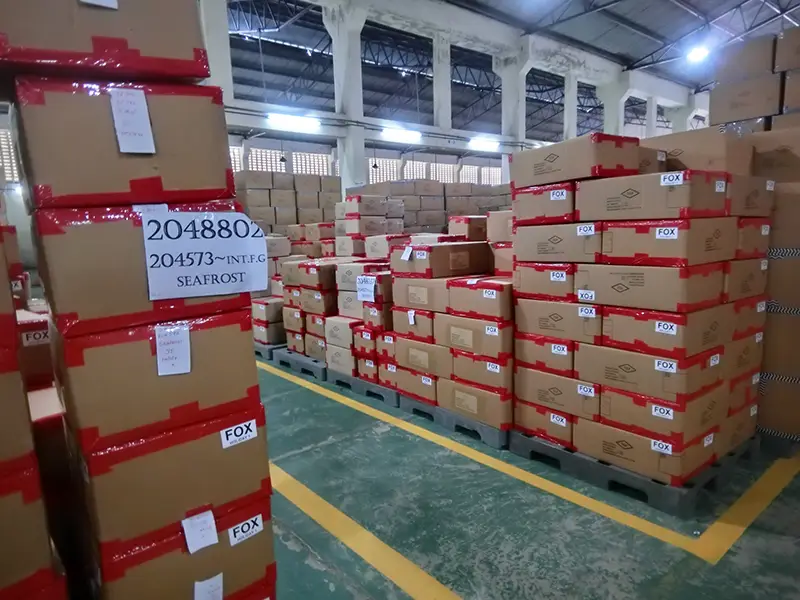
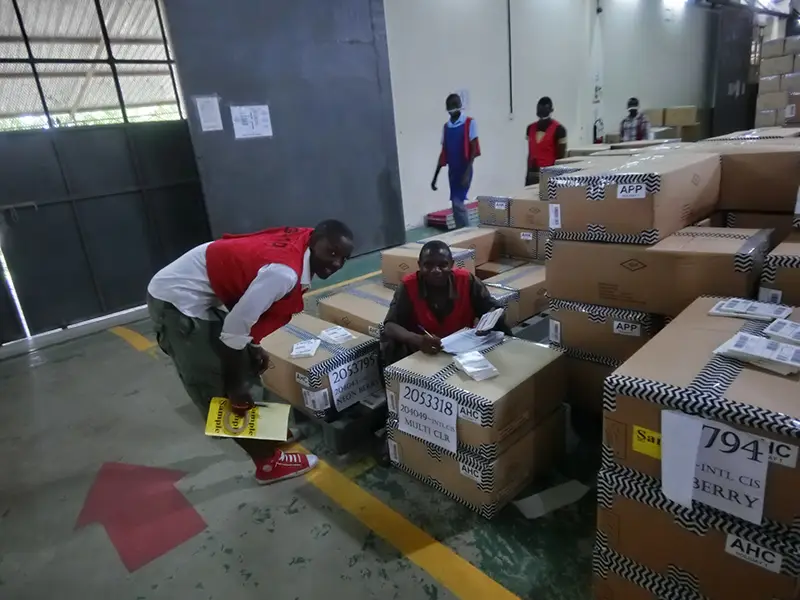
Every carton leaves with its origin documents
HANJEN prepares AGOA certificates of origin and export documentation with each shipment, so your customs broker can claim duty-free entry.
Shipping from Mombasa
Sea freight
About 25 to 27 days from the Port of Mombasa to US East Coast ports.
Air freight
Direct Kenya Airways flights to New York for urgent replenishment and samples.
Freight partners
We work with international freight partners for flexible FOB or delivered arrangements.
AGOA questions from US importers
Until when is AGOA valid?
As of November 2026, AGOA is authorized through December 31, 2028.
Does AGOA cover all apparel made in Kenya?
Apparel that meets AGOA’s rules of origin and documentation requirements qualifies. Kenya’s lesser-developed beneficiary status allows the use of fabric from outside Africa. Each style should be classified by your customs broker.
Who claims the AGOA preference?
The US importer of record claims the preference on the customs entry. HANJEN supplies the origin documents and textile visa needed to support the claim.
Do Section 301 tariffs apply to Kenya?
No. The Section 301 tariffs that took effect on July 24, 2026 list countries such as Bangladesh, Cambodia, India, Vietnam and China. Kenya is not included.
How long is ocean transit from Mombasa to the US?
Ocean transit from Mombasa to the US East Coast takes about 25 to 27 days.
Where can I read more about AGOA?
The Office of the US Trade Representative and US Customs and Border Protection publish official information on AGOA eligibility and procedures. Our Insights section also covers AGOA for apparel importers.
What would your collection cost landed from Kenya?
Send your styles and current FOB prices and we will help you compare.