
How Needle Detection Machine Protects Garment Quality in Factories
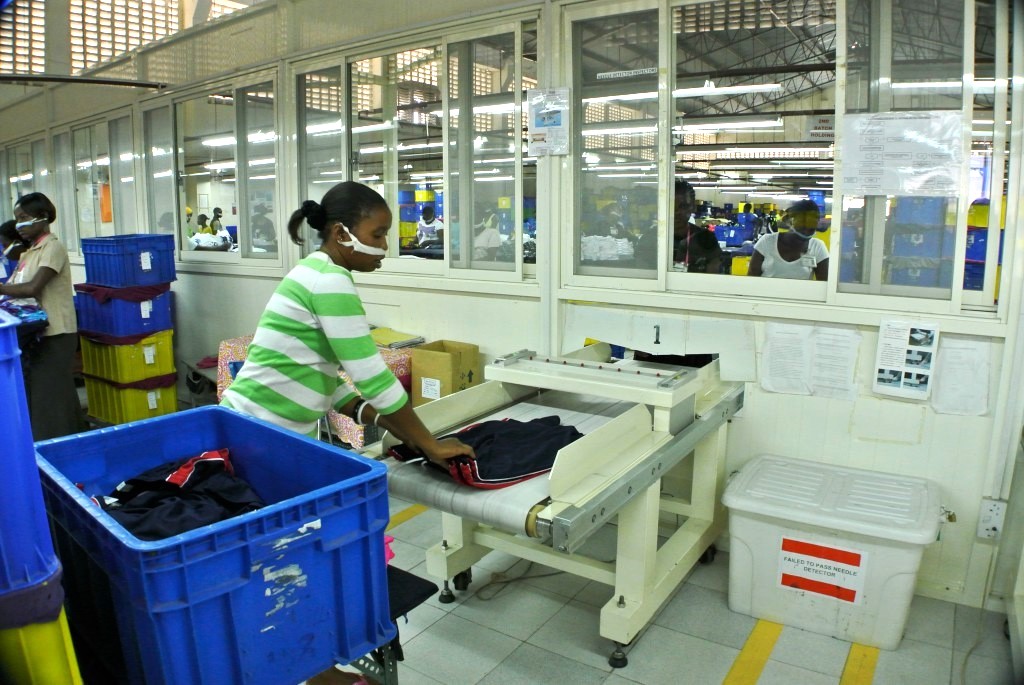
In modern garment factories the final inspection stage determines whether products meet global safety standards.
Broken needles or tiny metal fragments left in clothing can cause injuries recalls and brand damage.
Factories therefore rely on specialized equipment to scan every item before shipment.
This process forms a critical barrier that protects consumers especially children and supports compliance with international buyer requirements.
Garment Safety Inspection has evolved from manual checks to automated systems that deliver consistent results at high speed.
Understanding the technology principles risks and practical applications helps manufacturers make informed decisions.
The following chapters examine the working principles operational benefits real cases and best practices that define effective metal contaminant control.
Working Principle of Detection Systems
Needle detection systems use magnetic induction to identify ferrous metal fragments. A detection coil generates an electromagnetic field, and when a garment passes through the tunnel, metal disrupts the field and triggers an alarm. Digital processors help filter background interference from zippers, buttons, and conductive fabrics. Operators adjust sensitivity according to garment thickness and accessory content, with higher sensitivity suitable for lightweight garments. When contamination is detected, the conveyor stops or reverses so operators can remove the fragment. Dual-head systems can improve detection coverage and reduce orientation-related misses. Factories should also follow documented calibration procedures and applicable international standards to maintain consistent detection performance and reduce false rejects. ISO 7440 standard
Benefits for Production and Compliance
Automated Needle Detection reduces the risk of metal contaminants reaching customers, helping factories lower product recalls and quality-related costs. Many international buyers also require documented needle detection procedures before accepting shipments, supporting access to larger export opportunities. Automated inspection improves efficiency by continuously checking finished garments and reducing reliance on slow, inconsistent manual searches. Machine records can also strengthen audit readiness and demonstrate quality-control practices during factory assessments. However, regular calibration remains essential because sensitivity can drift over time. Factories should conduct routine test-piece verification with certified metal samples and may combine conveyor-based systems with handheld scanners for secondary checks.
| Benefit | How It Helps Garment Factories | Business Impact |
| Improved Product Safety | Detects broken needles and metal contaminants before shipment | Protects customers and reduces safety risks |
| Lower Recall Risk | Identifies contamination before products reach the market | Reduces recalls, returns, and related costs |
| Buyer Compliance | Provides documented Needle Detection procedures and inspection records | Supports international buyer requirements |
| Export Opportunities | Demonstrates strong garment safety and quality-control practices | Helps factories compete for larger export orders |
| Higher Inspection Efficiency | Continuously scans finished garments with automated equipment | Reduces reliance on slow manual inspection |
| Consistent Quality Control | Provides standardized detection across production volumes | Reduces human error and inspection inconsistency |
| Audit Readiness | Stores detection and verification records for review | Supports factory assessments and buyer audits |
| Brand Protection | Reduces the likelihood of contaminated garments reaching consumers | Strengthens customer confidence and brand reputation |
| Reliable Detection | Regular calibration and certified test pieces verify machine sensitivity | Maintains consistent detection performance |
| Secondary Verification | Handheld scanners can be used to confirm flagged garments | Provides an additional layer of quality control |
Case Study 1: Export Apparel Line
Background of Export Line
A mid sized factory in Southeast Asia produced 150000 units of children’s outerwear monthly for European retailers.
Previous reliance on visual and random manual checks left residual risk of broken needles.
Problem Encountered
Three customer complaints in one season involved small metal fragments found in seams.
One case required a limited recall and temporary suspension of orders.
Disposition and Result
The factory installed a dual head conveyor unit calibrated to 0.8 mm sensitivity.
All finished garments passed through the tunnel.
Operators received training on alarm response and daily test routines.
Handheld units supported secondary verification.
Zero metal related complaints occurred over the following twelve months.
Order volume increased by 25 percent after the next buyer audit confirmed the process.
Documentation from the machine logs satisfied third party inspectors.
Case Study 2: Home Textile Producer
Background of Textile Line
A bedding manufacturer handled thick quilts and covers with multiple fabric layers.
Existing single head equipment generated frequent false alarms from metal zippers.
Problem of Delays
Production delays reached two hours daily because operators stopped the line to investigate non threats.
Sensitivity had been lowered to reduce false signals which then allowed genuine fragments to pass.
Disposition and Outcome
Engineers switched to a system with advanced digital filtering and adjustable height tunnels.
Calibration used product specific recipes stored in memory.
Training emphasized correct placement of metal free test samples.
False alarm rate dropped below 2 percent.
Real detection events increased slightly confirming previously missed items.
Daily output rose 15 percent while maintaining compliance records for major retail clients.
Case Study 3: Footwear Component Supplier
Background of Supplier
A supplier of fabric uppers and linings for athletic shoes faced strict metal free requirements from brand partners.
Manual inspection of curved parts proved unreliable.
Problem of Rejection
Random sampling missed fragments embedded in foam layers.
One shipment was rejected at the brand warehouse triggering financial penalties and process reviews.
Disposition and Final Result
The company adopted a wide belt conveyor configured for soft goods plus portable units for spot checks.
Standard operating procedures required every batch to clear the primary machine before packing.
Rejection rate at the customer end fell to zero for metal issues.
The supplier gained preferred status and expanded contracts.
Internal audits showed consistent 100 percent inspection coverage.
Technical Specifications and Selection Criteria
Choosing the right Needle Detection Machine requires matching tunnel size, sensitivity, belt speed, and reject functions to the garment range. Standard systems often use belts around 600 mm wide, with tunnel heights of 100–300 mm to accommodate different garment thicknesses. Typical sensitivity starts at a 0.8 mm ferrous sphere, while high-performance models may detect particles as small as 0.6 mm. Belt speeds commonly range from 20–30 m/min, with adjustable systems offering wider speed ranges. Factories should test machines with actual garments before purchase and consider vibration, electromagnetic interference, temperature, grounding, and machine isolation. For broader factory information, see HanJen Advantages and About HanJen.
Integration with Quality Management Systems
Needle Detection should be integrated into the factory’s broader quality management system rather than used as the only safety control. Each detection event should be recorded with the date, time, product batch, and operator details to support traceability and trend analysis. Operators should receive training on startup checks, certified test pieces, sensitivity verification, and preventive maintenance. Factories should also identify processes where needles may break, such as high-speed sewing and button attachment, and establish needle replacement procedures and metal-free zones. Any detected contaminant should trigger product isolation, root-cause investigation, and corrective action. Industry resources can help factories refine their procedures and understand available detection technologies. Apparel Resources: Needle Detection Technology
Maintenance Calibration and Continuous Improvement
Regular maintenance is essential for keeping Needle Detection Machines accurate and reliable. Daily checks should include belt and tunnel cleaning, alarm testing, and verification with certified test pieces. Weekly inspections should confirm sensitivity at different positions, while professional servicing should cover coil inspection, software updates, and calibration. Factories should retain calibration records for audits and immediately correct equipment that falls outside specifications. Continuous improvement also requires monitoring false alarms and genuine detection results to identify product changes or environmental interference. Different configurations serve different needs: single-head systems suit light garments, dual-head systems provide greater coverage, handheld units support spot checks, and wide-belt machines handle larger products. Integrating detection results with sewing needle controls and trim management provides stronger overall protection. HanJen
FAQ
Q1 How sensitive is a typical unit for garment use
A1 Most industrial models detect iron spheres of 0.8 mm or larger at standard tunnel heights.
Higher sensitivity options reach 0.6 mm under controlled conditions.
Product thickness and accessory content influence practical limits so factories validate with real samples.
Q2 Can the equipment ignore metal zippers and buttons
A2 Advanced digital processing and product memory recipes filter consistent metallic trims.
Operators store baseline signatures for common styles.
Residual product effect may still require sensitivity fine tuning or secondary handheld confirmation on complex items.
Q3 What happens when the alarm activates
A3 The conveyor stops or reverses the belt while sound and light signals alert the operator.
Staff remove the item locate the fragment and reinspect after clearance.
Logs record the event for quality tracking and root cause analysis.
Q4 How often should calibration occur
A4 Daily test piece checks confirm basic function.
Formal sensitivity verification takes place weekly.
Full professional calibration follows manufacturer schedules usually annually or after major maintenance.
Records support buyer audits.
Q5 Is handheld equipment sufficient for all needs
A5 Handheld units excel at secondary checks and small volume or irregular shapes.
High volume production requires conveyor systems for consistent 100 percent coverage.
Many factories combine both methods for layered assurance.
SUMMERY
Garment factories that implement reliable metal contaminant scanning protect consumers reduce recall exposure and strengthen buyer confidence.
The technology relies on magnetic induction digital filtering and disciplined operating procedures.
Case evidence shows measurable gains in compliance throughput and commercial outcomes when systems are correctly selected calibrated and integrated.
Ongoing attention to maintenance training and data review sustains performance over time.
Factories should treat the process as one element within a broader quality framework that includes upstream needle control and trim inspection.
Authoritative external references and internal process documentation support continuous refinement.
CONTACT US
Company name:Hanjen International LTD.
Address:5F,No. 657-8 Chung Cheng Road, Hsin Chuang District, New Taipei City. Taiwan
Contact phone:+886-2-2903 7662
Email:hanjen.intl.ltd@gmail.com
For further discussion of Garment Safety Inspection solutions or partnership opportunities please reach out through the channels above.
Our team supports apparel manufacturers seeking robust quality systems aligned with global market expectations.