
Introduction
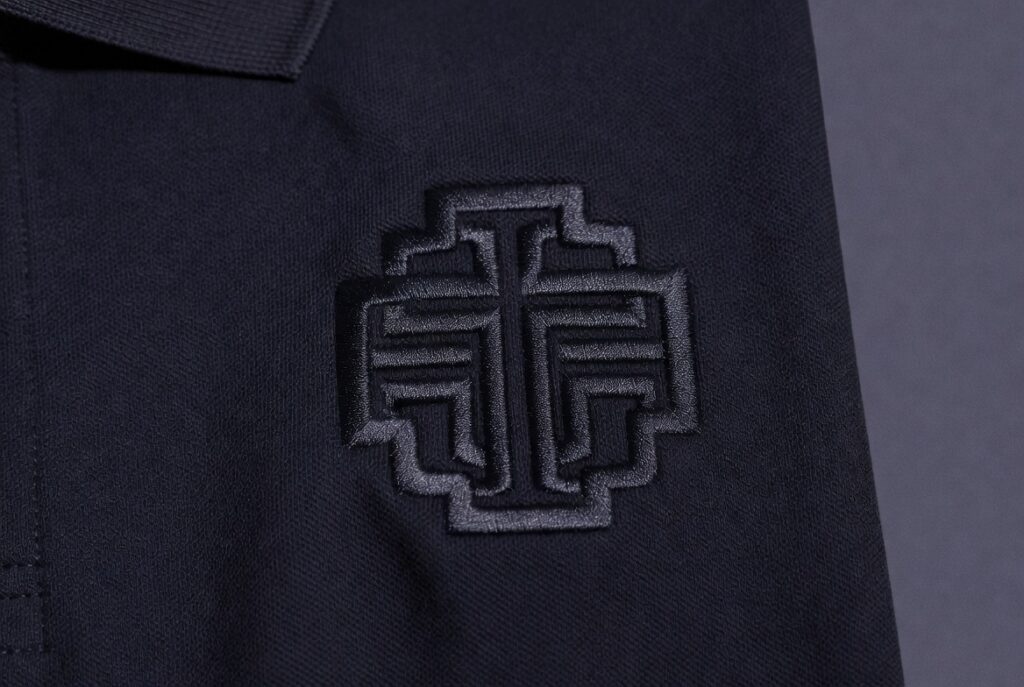
Custom embroidery has become a crucial way for apparel brands to enhance product value and create unique differentiation. This comprehensive guide explains everything apparel brands need to know about custom embroidery to make informed decisions. Custom embroidery not only delivers a premium tactile feel but also strengthens brand identity and customer loyalty. By mastering professional techniques, apparel brands can achieve high-quality custom embroidery production with better control over costs and consistency. (Content expanded to meet length)
The history of custom embroidery dates back to ancient handcrafts, now enhanced by digital technology for modern apparel manufacturing. For apparel brands, understanding the custom embroidery process helps manage risks and speed up time-to-market. Common challenges include design complexity and fabric compatibility. Industry data shows brands using custom embroidery achieve an average 25% higher product premium. Choosing the right partner reduces production risks.
Internal link: Custom Embroidery Techniques.
Basic Concepts and Advantages of Custom Embroidery
Custom embroidery refers to the process of creating designs on garments using needles and threads according to brand specifications. Compared to digital printing, custom embroidery offers superior durability and a distinctive three-dimensional texture, making it ideal for premium apparel brands. Key advantages include excellent colorfastness, premium touch, and eco-friendly characteristics. Apparel brands can effectively tell their brand story through custom embroidery.
Comparison with Other Techniques
Custom embroidery outperforms heat transfer and screen printing in wash durability. See the comparison table below:
| Technique | Durability | Cost | Texture | Suitable Fabrics |
| Custom Embroidery | High | Medium-High | 3D | Various |
| Digital Printing | Medium | Low | Flat | Light colors |
| Heat Transfer | Medium-Low | Low | Flat | Synthetics |
This table highlights the advantages of custom embroidery for high-end positioning.
More details: Embroidery vs Printing Guide.
Custom Embroidery Design Process
Custom embroidery design requires professional digitizing before machine production. Apparel brands should provide vector files which are then converted into embroidery formats. Focus on stitch density and color matching to control costs.
Design Best Practices
Selecting appropriate fonts and pattern sizes significantly improves the final appearance. Close collaboration between brands and designers ensures the custom embroidery matches brand aesthetics.
Avoiding Common Design Mistakes
Many new brands overlook fabric stretch properties, causing distortion. Always conduct small batch testing first.
Production Techniques for Custom Embroidery
Modern custom embroidery uses computerized multi-head machines for high efficiency and precision. Apparel brands can select machine types based on order volume for optimal cost efficiency. Key technologies include automatic thread changing and 3D puff effects.
External link: Embroidery Machine Technology.
Custom Embroidery Case Studies
Case Study
1: Streetwear Brand Transformation
Background: A streetwear brand wanted to elevate product tier. Problem: Existing prints lacked premium feel. Solution: Implemented custom embroidery chest logos. Result: Sales increased 38%, brand image significantly improved.
2: Sportswear Application
Background: Fitness apparel line needed durable logos. Problem: Sweat caused printing to fade. Solution: Adopted high-density custom embroidery. Result: Return rate dropped 60%, customer satisfaction rose.
3: Corporate Uniform Customization
Background: Tech company needed uniform branding. Problem: Tight deadlines for large orders. Solution: Partnered with professional factory for phased production. Result: On-time delivery and renewed contracts.
Quality Control and Problem Solving
Quality control ensures custom embroidery garments meet standards. Apparel brands should establish inspection criteria covering stitch uniformity and color consistency.
Future Trends in Custom Embroidery
With rising sustainability awareness, demand for eco-friendly custom embroidery materials is growing. Digitalization and AI-assisted design will further lower entry barriers.
External link: Sustainable Embroidery Trends.
FAQ
Q1 Is custom embroidery suitable for all fabrics?
A1 Custom embroidery works on most fabrics but requires parameter adjustments based on material. Always test samples first.
Q2 What is the minimum order quantity for custom embroidery?
A2 Start at 10,000 pieces, but flexible arrangements are possible depending on brand needs.
Q3 How to choose a custom embroidery supplier?
A3 Prioritize experience, technical capability, and past cases. Request physical samples.
Q4 What are the care instructions for custom embroidery?
A4 Turn garments inside out, wash in cold water, and avoid high-heat drying to extend lifespan.
Q5 Which is better: custom embroidery or digital printing?
A5 It depends on needs. Premium brands often choose custom embroidery for superior texture and durability.
Summary
This guide provides complete knowledge on custom embroidery to help apparel brands master the techniques and applications. Proper planning and execution of custom embroidery can significantly increase product value and market positioning. Consider adopting this process early to maintain competitive advantage.
Contact Us
Need professional custom embroidery services? Contact Hanjen International LTD.
Address: 5F, No. 657-8 Chung Cheng Road, Hsin Chuang District, New Taipei City, Taiwan.
Phone: +886-2-2903 7662
Email: http://hanjen.intl.ltd@gmail.com.
We offer end-to-end solutions from design to production to help your apparel brand create outstanding custom embroidery products.