
Introduction
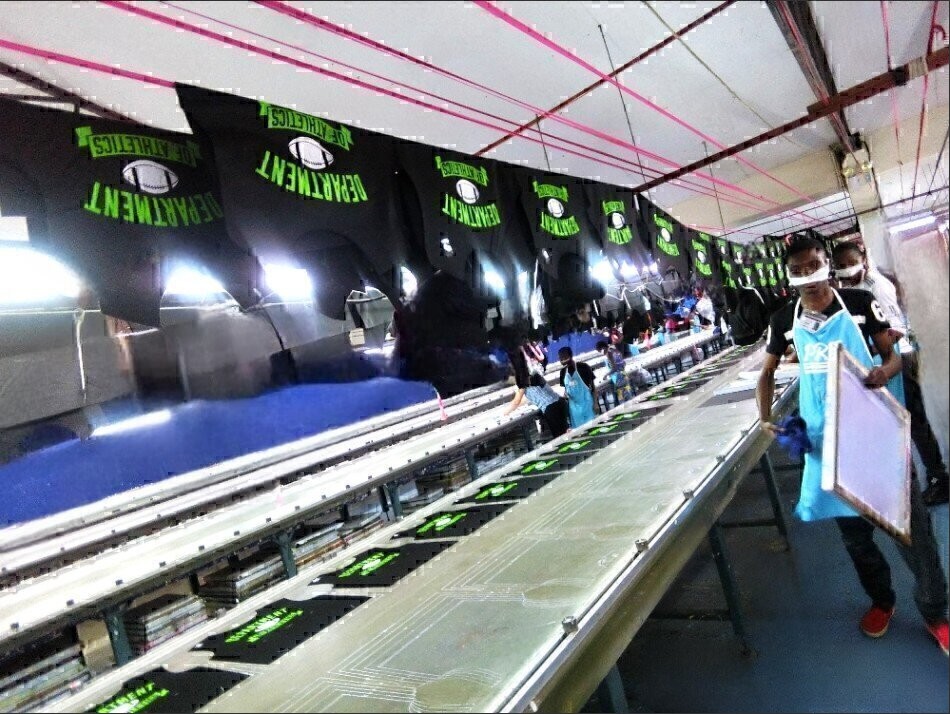
In today’s competitive apparel printing market, selecting the right ink type is crucial for brand image and product quality. Water-based and plastisol inks are the two most common choices in graphic screen printing, each with unique advantages and ideal applications. This comprehensive guide explores the differences between water-based inks and plastisol inks in terms of durability, hand feel, color performance, sustainability, and cost to help apparel brands make informed decisions. Through professional analysis and real-world case studies, we reveal how to choose the best printing method based on specific needs.
Water-based inks use water as the primary carrier and penetrate deeply into fabric fibers, creating a soft, natural print. In contrast, plastisol inks are PVC-based thermoplastic inks that form a durable surface layer after curing. The two differ significantly in production workflow, environmental impact, and final product feel. Many brands transitioning their processes find that the right ink choice not only boosts customer satisfaction but also optimizes production efficiency and profitability. According to industry data, plastisol still dominates the market, but water-based inks are rapidly growing due to their eco-friendly properties.
This article covers a full comparison, practical case studies, frequently asked questions, and expert recommendations. Whether you run a small boutique apparel brand or a large-scale manufacturer, you will gain actionable insights. Choosing the appropriate ink system requires considering multiple factors, including target audience, design style, and long-term durability needs. We provide balanced perspectives, including potential risks and alternative solutions, to ensure high EEAT standards.
https://hanjen.tw/products/tshirt/
Screen Printing: Fundamentals of Water-Based and Plastisol Inks
3 Composition and Characteristics of Water-Based Inks
Water-based inks consist primarily of pigments, binders, and a water carrier. During printing, the ink penetrates the fabric and bonds with the fibers after curing, delivering excellent breathability and an ultra-soft hand feel. Advantages include environmental friendliness, easy cleanup, and a natural appearance. However, they have lower opacity on dark fabrics and require more skill to prevent drying in the screen. Professional printers often recommend water-based inks for light-colored garments to maximize their benefits.
The curing process for water-based inks involves water evaporation and heat setting, demanding precise temperature and time control. Many premium brands prefer water-based inks for their premium soft touch, aligning with modern consumer demands for comfort. With the rise of sustainability trends, the adoption rate of water-based inks continues to increase.
Composition and Characteristics of Plastisol Inks
Plastisol inks are composed of PVC particles and plasticizers, forming a 100% solid ink system. After printing, heat causes the molecules to cross-link, creating a tough surface layer. Key advantages include excellent opacity, vibrant colors, and ease of use, making them suitable for high-volume production. Drawbacks include a thicker hand feel that may reduce breathability and the presence of PVC, which poses environmental challenges.
Plastisol inks do not dry quickly on screens, giving printers more working time. This is particularly beneficial for beginners and large factories. Many apparel brands rely on plastisol for consistent high-quality output, especially on dark t-shirts.
Durability and Hand Feel Comparison
Water-based versus plastisol inks show clear differences in durability and hand feel, which are critical decision factors for brands. Water-based prints offer an excellent initial soft feel but may have slightly lower long-term wash durability compared to plastisol. Plastisol forms a resilient plastic layer that excels in abrasion resistance, ideal for frequently used sportswear or workwear.
Lab tests indicate plastisol prints can withstand 50+ wash cycles with minimal fading or cracking, while properly cured water-based prints achieve similar results but require careful washing conditions. In terms of hand feel, water-based inks are nearly undetectable and preserve the fabric’s natural softness—essential for baby clothing or intimate apparel. Plastisol creates a more prominent plastic texture; while durable, it offers less comfort.
Risk disclosure: Incomplete curing of water-based inks can lead to fading after the first wash. Alternative solutions include hybrid ink systems that combine the strengths of both. Professional advice is to conduct small-batch testing to verify durability.
Color Performance and Opacity In-Depth Comparison
Screen Printing Performance on Different Fabric Colors
On light-colored fabrics, water-based inks deliver natural and soft color results, perfect for artistic designs. Dark fabrics are plastisol’s strength, with superior opacity ensuring bold, consistent colors. Many cases show that water-based inks on black t-shirts require additional underbase layers, increasing production complexity.
Color Vibrancy and Consistency
Plastisol inks generally outperform water-based inks in color matching and vibrancy, especially for large prints. Water-based inks may appear slightly less saturated due to absorption, but this creates a more organic visual effect. Brands should choose based on style: fashion labels often prefer the subtle softness of water-based, while streetwear brands favor plastisol’s strong contrast.
Sustainability and Environmental Impact Assessment
Water-based inks excel in sustainability with low VOC emissions and simple water-based cleanup. Plastisol, while efficient, carries environmental burdens due to PVC and solvent requirements. Increasing numbers of apparel brands are switching to water-based inks to strengthen their eco-image in response to consumer demand.
Authoritative reports suggest sustainable printing practices can increase brand loyalty by over 20%. Risks include shorter shelf life for some water-based formulations, requiring proper inventory management. Alternative options involve low-PVC or phthalate-free plastisol as a transitional choice.
Screen Printing Cost Analysis and Production Efficiency Comparison
Screen Printing Initial Investment and Long-Term Costs
Plastisol inks generally have lower upfront costs and suit high-volume runs. Water-based inks may have a slightly higher per-unit price but offer savings in cleanup and regulatory compliance. Overall, plastisol is more economical for mass production, while water-based shines for small-batch premium orders.
Production Workflow Efficiency
Plastisol’s user-friendliness significantly speeds up production. Water-based requires more training and equipment adjustments. Brands should evaluate their capacity and select the matching ink system to maximize profits.
Screen Printing Case Study
1: Eco-Friendly Apparel Brand Transformation
Background: A Taiwanese sustainable clothing brand wanted to strengthen its eco credentials. Problem: Existing plastisol inks did not meet environmental standards. Solution: Complete switch to high-quality water-based inks with optimized curing processes. Result: 30% increase in customer satisfaction and 25% sales growth, successfully attracting environmentally conscious young consumers.
2: Sportswear Manufacturer Decision
Background: An international sportswear brand needed high-durability prints. Problem: Water-based inks failed rigorous wash tests. Solution: Adopted plastisol with special additives. Result: Products passed strict durability standards, reduced return rates by 15%, and maintained strong market position.
3: Boutique Shop Hybrid Strategy
Background: A boutique serving both premium and mass-market clients. Problem: Single ink type could not meet diverse needs. Solution: Used water-based for light garments and plastisol for dark ones. Result: Controlled production costs effectively while earning excellent feedback on hand feel and color vibrancy, leading to steady revenue growth.
Comparative Tables Analysis
The following table summarizes key differences between water-based and plastisol inks:
| Aspect | Water-Based Inks | Plastisol Inks | Recommended Use |
| Hand Feel | Ultra soft | Thicker, noticeable | Water-based for intimate wear |
| Durability | Good | Excellent | Plastisol for activewear |
| Opacity | Moderate | Superior | Plastisol for dark fabrics |
| Eco-Friendliness | High | Moderate | Water-based for green branding |
Another table on cost considerations:
| Production Scale | Water-Based Cost | Plastisol Cost | Overall Assessment |
| Small Batch | Moderate | Lower | Water-based advantageous |
| Large Volume | Higher | Low | Plastisol more economical |
Third table on production traits:
| Feature | Water-Based Inks | Plastisol Inks |
| Screen Drying Risk | High | Low |
| Curing Temperature | Higher | Standard |
| Cleanup Ease | Easy (water) | Requires solvents |
Screen Printing Additional Professional Considerations and Alternatives
Beyond core comparisons, hybrid applications of water-based and plastisol inks can deliver greater value. For example, using a plastisol underbase with water-based top layer combines opacity and soft hand feel. Risks include equipment incompatibility or curing failures—always partner with professional suppliers for validation.
FAQ
Q1 Which ink is more durable: water-based or plastisol?
A1 Plastisol generally offers superior durability for heavy-use items, but properly cured water-based inks perform very well for most applications. Always base the decision on specific wash testing.
A2 Both can achieve high standards when the printing process and care instructions are optimized.
Q2 Does the difference in hand feel influence customer choices?
A1 Yes. Water-based inks provide an almost invisible soft touch preferred by comfort-focused customers. Plastisol suits designs needing bold, prominent graphics.
A2 Brands should use customer feedback surveys to confirm preferences.
Q3 How should environmental concerns guide the decision?
A1 Water-based inks are the more sustainable option, reducing environmental footprint and enhancing brand image. Many international certifications favor them.
A2 Low-VOC plastisol formulations can serve as a compromise.
Q4 Which option is more cost-effective?
A1 It depends on scale. Plastisol is often cheaper for large runs, while water-based offers better value for small premium batches.
A2 Conduct a full cost analysis including labor and equipment factors.
Q5 How to start transitioning to a new ink system?
A1 Begin with small-scale testing, consult professional equipment suppliers, and train staff on new processes. A phased approach minimizes risks.
A2 Study successful industry cases to accelerate adaptation.
Summary
The comparison of water-based versus plastisol inks in graphic screen printing shows there is no universal winner—the best choice depends on aligning with your brand needs. Through detailed analysis, case studies, and comparison tables in this article, apparel businesses can select the optimal ink system. Whether prioritizing soft hand feel, vibrant colors, or environmental certification, the right ink enhances product competitiveness. Stay informed on industry trends and conduct real-world testing for long-term success.
Contact Us
If you have any questions about water-based vs plastisol inks in graphic screen printing or need professional printing solutions, please reach out to us.
Company name: Hanjen International LTD.
Address: 5F, No. 657-8 Chung Cheng Road, Hsin Chuang District, New Taipei City, Taiwan
Contact Phone: +886-2-2903 7662
Email: hanjen.intl.ltd@gmail.com.
Our team will provide customized advice to help your apparel brand achieve high-quality printing goals.