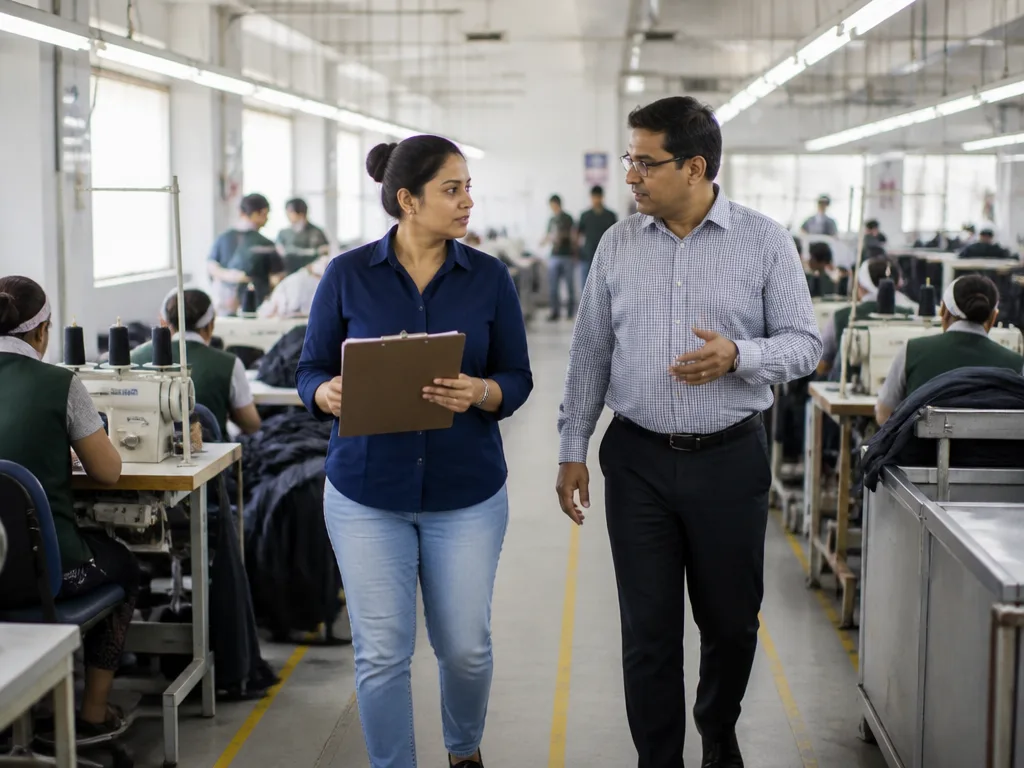
When a brand onboards a new garment supplier, one of the first documents it asks for is a social compliance certificate. Among the credentials in apparel, WRAP is one of the most frequently requested, particularly by US retailers and brands. Yet many buyers know the name better than what the certificate actually covers.
This guide explains what it means to work with a WRAP certified factory: the 12 principles behind the program, how certification levels work, what happens during an audit, how WRAP compares with other frameworks, and what a certificate does and does not prove.
What Is WRAP?
WRAP, short for Worldwide Responsible Accredited Production, is an independent non-profit organization that certifies manufacturing facilities against a set of social compliance principles. It focuses primarily on labor-intensive sewn products, including apparel, footwear and home textiles. Certification applies to a specific facility, not to a company as a whole, which matters when a supplier operates more than one site.
A WRAP certificate tells a buyer that the facility has been audited by an accredited third-party monitoring firm and found to comply with WRAP’s principles at the time of the audit. It is designed to be a baseline credential that brands can rely on alongside their own codes of conduct.
The 12 WRAP Principles
WRAP’s standard is built on 12 principles, published in full on the WRAP website. Together they cover labor rights, workplace safety, the environment and supply-chain integrity.
| # | Principle | What it covers in practice |
|---|---|---|
| 1 | Compliance with laws and workplace regulations | Legal operation, permits and adherence to local labor law |
| 2 | Prohibition of forced labor | No involuntary, bonded or prison labor |
| 3 | Prohibition of child labor | Minimum age rules and age verification at hiring |
| 4 | Prohibition of harassment or abuse | A workplace free of physical, sexual or psychological abuse |
| 5 | Compensation and benefits | At least legally mandated wages and benefits |
| 6 | Hours of work | Working hours and overtime within legal limits |
| 7 | Prohibition of discrimination | Fair treatment regardless of personal characteristics |
| 8 | Health and safety | Safe and healthy working environment, fire safety, protective equipment |
| 9 | Freedom of association and collective bargaining | Respect for workers’ lawful rights to organize |
| 10 | Environment | Compliance with environmental rules and responsible practices |
| 11 | Customs compliance | Adherence to customs laws, including rules against illegal transshipment |
| 12 | Security | Procedures to prevent contraband in shipments |
Principles 11 and 12 are what set WRAP apart from purely labor-focused audits. Customs compliance matters to importers claiming trade preferences, and WRAP notes that its security principle is benchmarked against the US Customs and Border Protection CTPAT program, which makes it particularly relevant to US importers.
WRAP Certification Levels
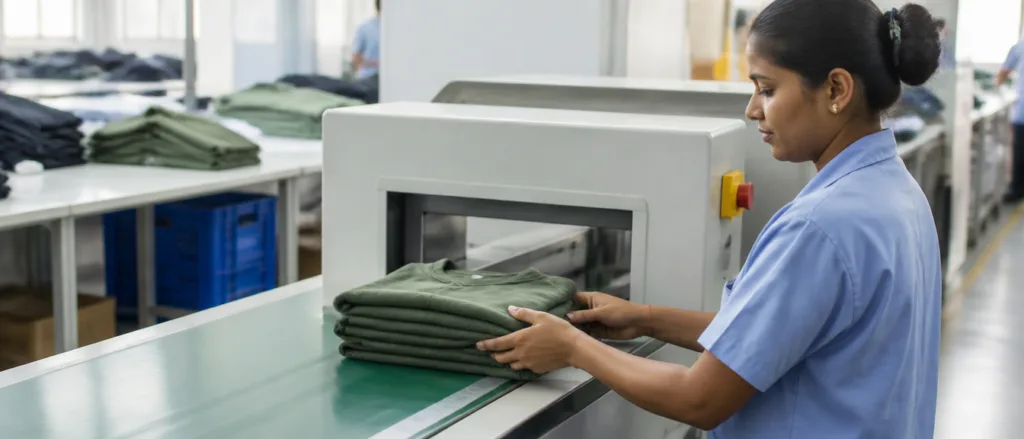
WRAP issues certificates at different levels, which reflect both the audit result and the facility’s track record. The level also determines how long the certificate is valid.
- Platinum: awarded to facilities with a sustained record of full compliance across consecutive Gold certifications; valid for two years.
- Gold: awarded to facilities that demonstrate full compliance with all 12 principles; valid for one year. WRAP reports that the large majority of its certified facilities, more than 90%, hold Gold.
- Silver: awarded when a facility is broadly compliant but has minor non-compliances to correct; valid for six months.
For buyers, the level and the expiry date are the two most important facts on a certificate. A Silver certificate is not a red flag in itself, but it means corrective actions are pending, and you should ask what they are.
How the WRAP Certification Process Works
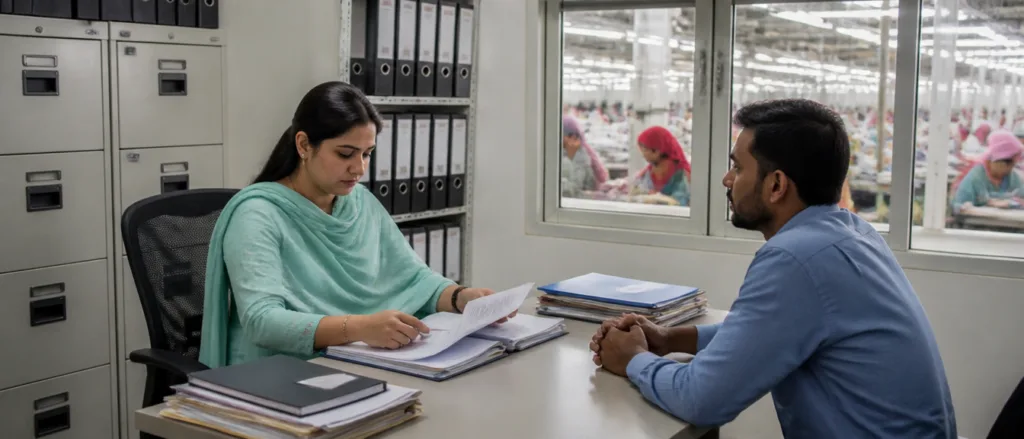
Certification follows a structured sequence. The facility registers with WRAP and completes a self-assessment against the principles, often supported by a review of its own policies and records. It then engages a WRAP-accredited monitoring firm to conduct an on-site audit, which typically includes a facility walk-through, document and payroll review, and confidential interviews with workers and management.
The audit report is reviewed by WRAP, and if the facility meets the requirements, a certificate is issued at the appropriate level. Facilities can also be subject to unannounced audits during the certification period. To stay certified, a facility must repeat the audit before its certificate expires.
WRAP Compared With Other Social Compliance Frameworks
Brands often ask whether WRAP is enough or whether they need other audits too. The answer depends on the brand’s own requirements and its customers’ expectations. The comparison below summarizes how WRAP sits alongside other commonly requested frameworks.
| Framework | Type | Distinctive focus |
|---|---|---|
| WRAP | Facility certification | 12 principles including customs compliance and security, aligned with CTPAT |
| SMETA | Audit methodology shared via Sedex | ETI Base Code; 2-pillar or 4-pillar scope including environment and business ethics |
| amfori BSCI | Audit program for amfori members | Code of conduct widely used by European retailers |
| Brand-specific codes | Customer audits | Individual brand requirements and follow-up programs |
SMETA in particular is often requested alongside WRAP. According to DNV, SMETA is an audit methodology rather than a certification, and its 4-pillar version extends beyond labor and safety into environment and business ethics. Many factories that export to both the US and Europe maintain WRAP certification and complete SMETA audits for customers that use Sedex.
Why WRAP Matters for Importers Using AGOA
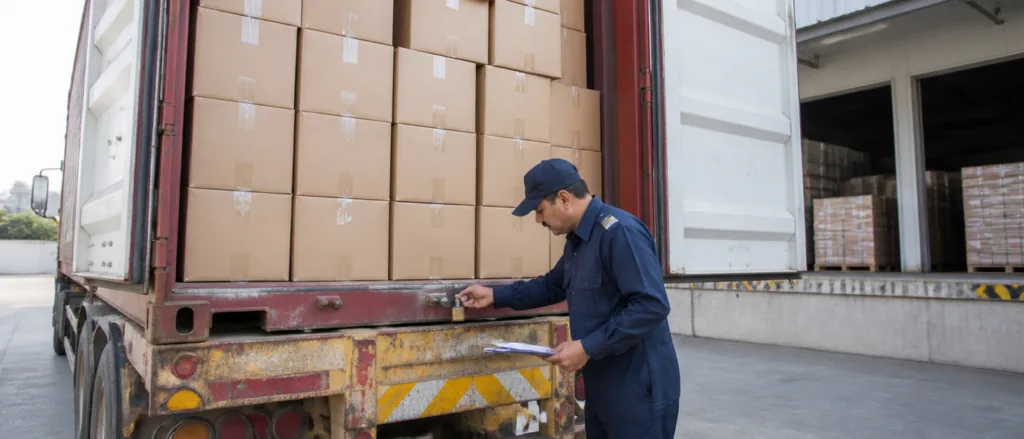
For brands sourcing from Kenya under AGOA, WRAP’s customs and security principles carry extra weight. Duty-free entry depends on accurate origin documentation, and a facility with audited customs-compliance procedures is better placed to support an importer’s claim. Security procedures around container loading and sealing also reduce the risk of shipments being held for inspection.
If you are new to AGOA, our AGOA guide for US apparel importers explains the program’s rules, and our article on ethical apparel manufacturing in Kenya looks at the wider compliance landscape.
What a WRAP Certificate Does Not Tell You
A certificate is a snapshot, and it covers one facility. It does not guarantee that every order will be produced there, that conditions will not change after the audit, or that a factory meets requirements beyond WRAP’s scope, such as specific chemical restrictions, recycled-content claims or product safety standards. Those need their own verification.
Buyers should therefore check that the certificate matches the exact facility that will produce their goods, confirm it is current, ask for the most recent audit findings and corrective actions, and compare the facility’s capacity with their order volume to reduce the risk of unauthorized subcontracting.
Frequently Asked Questions
How long is a WRAP certificate valid?
It depends on the level: Platinum certificates are valid for two years, Gold for one year and Silver for six months.
Is WRAP the same as SMETA?
No. WRAP is a facility certification based on 12 principles. SMETA is an audit methodology based on the ETI Base Code whose results are shared through Sedex rather than issued as a certificate.
Does WRAP certification cover environmental issues?
Yes, environment is one of WRAP’s 12 principles, focused on compliance with environmental rules and responsible practices. Brands with detailed environmental requirements may still request additional assessments.
How can I verify a supplier’s WRAP certificate?
Ask the supplier for the certificate and confirm the facility name, address, level and expiry date. WRAP maintains a public list of certified facilities that you can check.
Is a WRAP certified factory required for AGOA?
No. AGOA eligibility depends on origin rules and documentation, not on WRAP. However, WRAP’s customs compliance and security principles support the controls that importers rely on when claiming duty-free entry.
Conclusion: A Valuable Baseline, Not the Whole Picture
Working with a WRAP certified factory gives a brand independent assurance that a facility meets a recognized standard covering labor, health and safety, environment, customs compliance and security. For US importers, the customs and security principles make WRAP especially relevant. The best results come when buyers treat the certificate as a baseline, confirm its level and scope, and combine it with ongoing audits, capacity checks and a direct relationship with the factory.
To review our compliance documentation, visit our compliance and certifications page or contact our team.