-
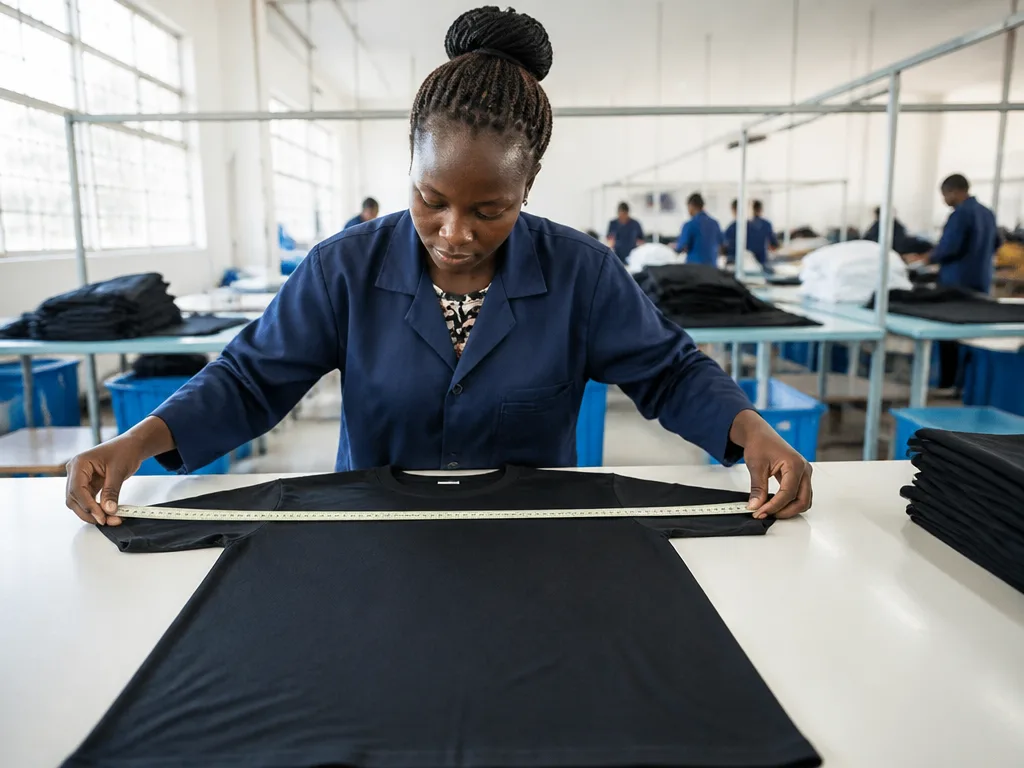
Apparel Quality Control Checklist: 15 Essential Checks for Brands
A practical apparel quality control checklist with 15 essential checks across pre-production, inline and final inspection, plus how AQL sampling under ISO 2859-1 and ANSI/ASQ Z1.4 works and how to agree defect classes with your factory.
-
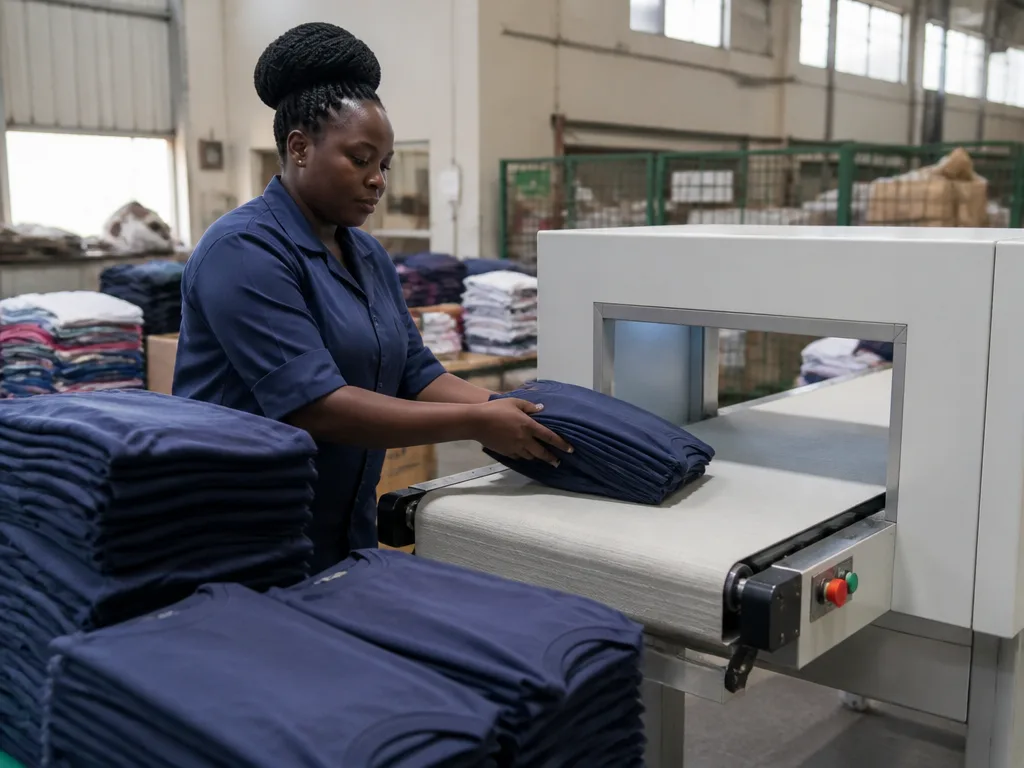
How Needle Detection Protects Garment Quality and Safety
Needle detection only works as part of a complete metal control system. This guide covers needle control policies, the broken needle procedure, conveyor and handheld detector types, calibration, reject handling and the records buyers should expect to see.
-
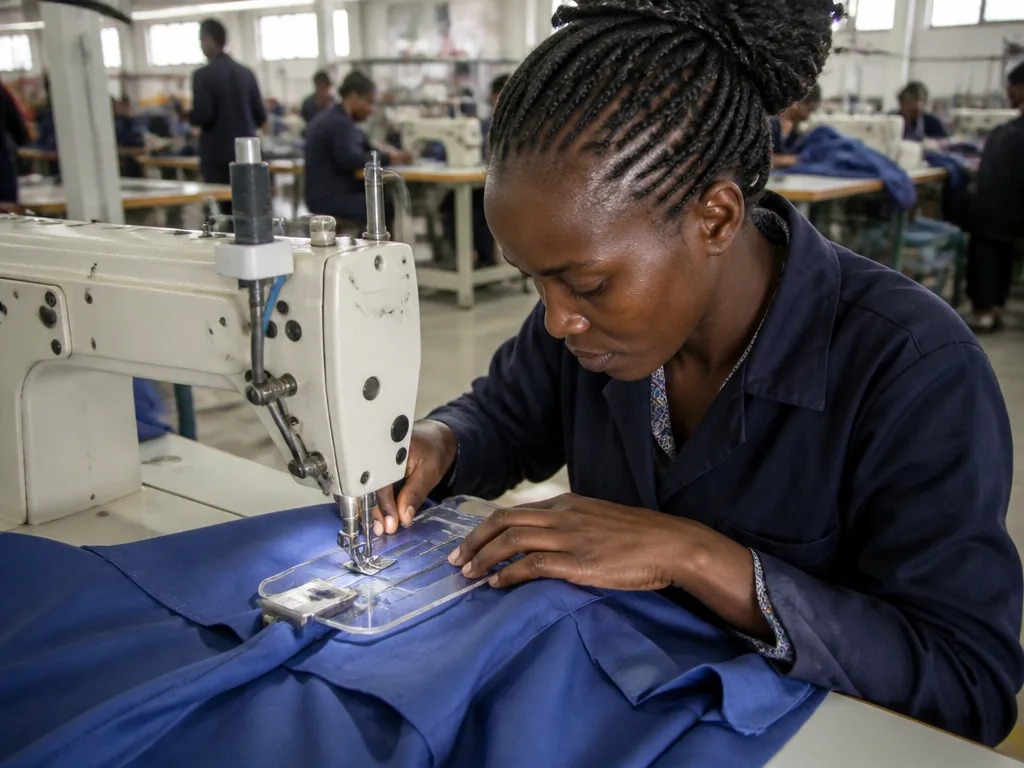
How Sewing Templates Improve Efficiency and Reduce Defects
Sewing templates, jigs, folders and guides turn by-eye judgements into fixed references, making pockets, plackets, collars, labels and hems faster and more consistent. Here is how they work and how to discuss them with your manufacturer.
-
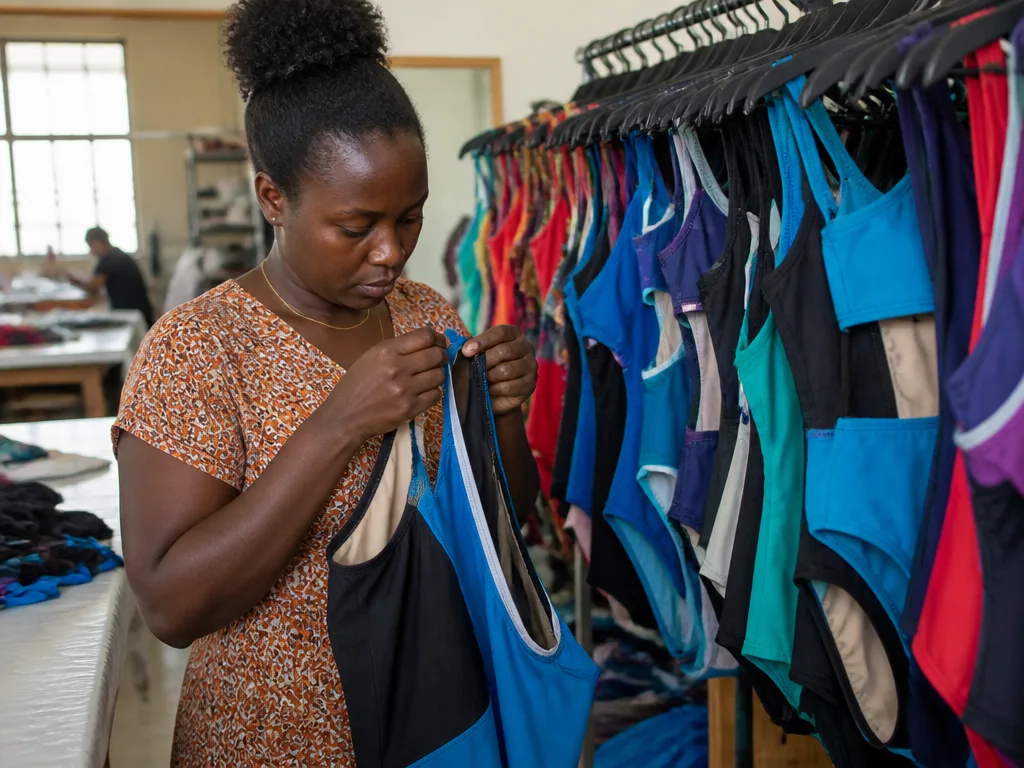
Swimwear Production: Critical Details for Quality and Fit
Swimwear quality depends on fabric choice, lining, swim-grade elastics, stretch seams, fit testing and the right colorfastness tests. Here is what to specify and verify.
-
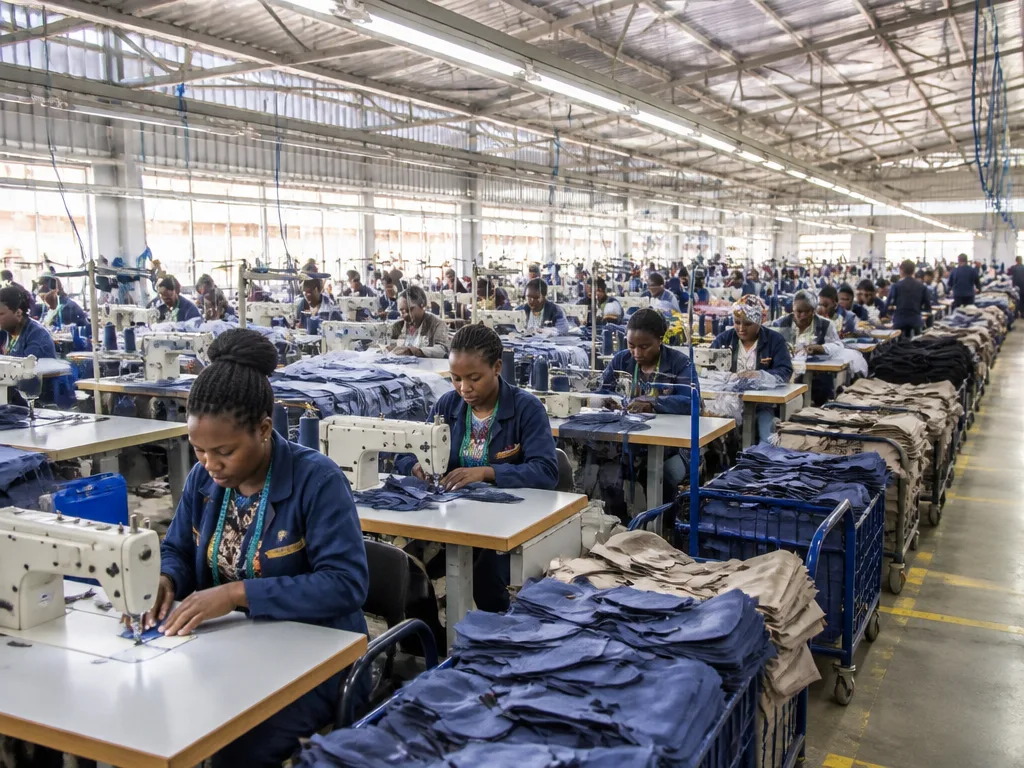
Apparel Production Timeline: The Key Stages from Tech Pack to Delivery
An apparel production timeline is a chain of dependent stages. This guide explains each stage from tech pack to delivery and what really drives its duration.
-
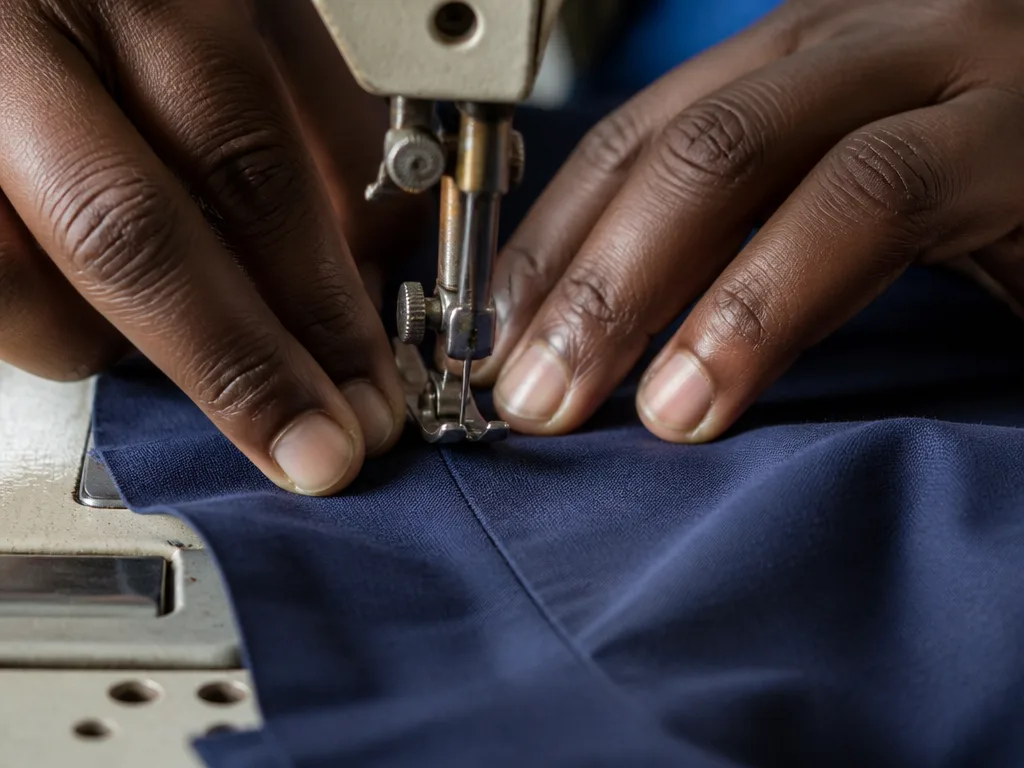
Stitch Density and Garment Quality: Why SPI Matters
Stitch density (SPI) shapes seam strength, puckering and appearance. Learn how to specify it seam by seam with ASTM D6193 terminology and how to check it in production.
-
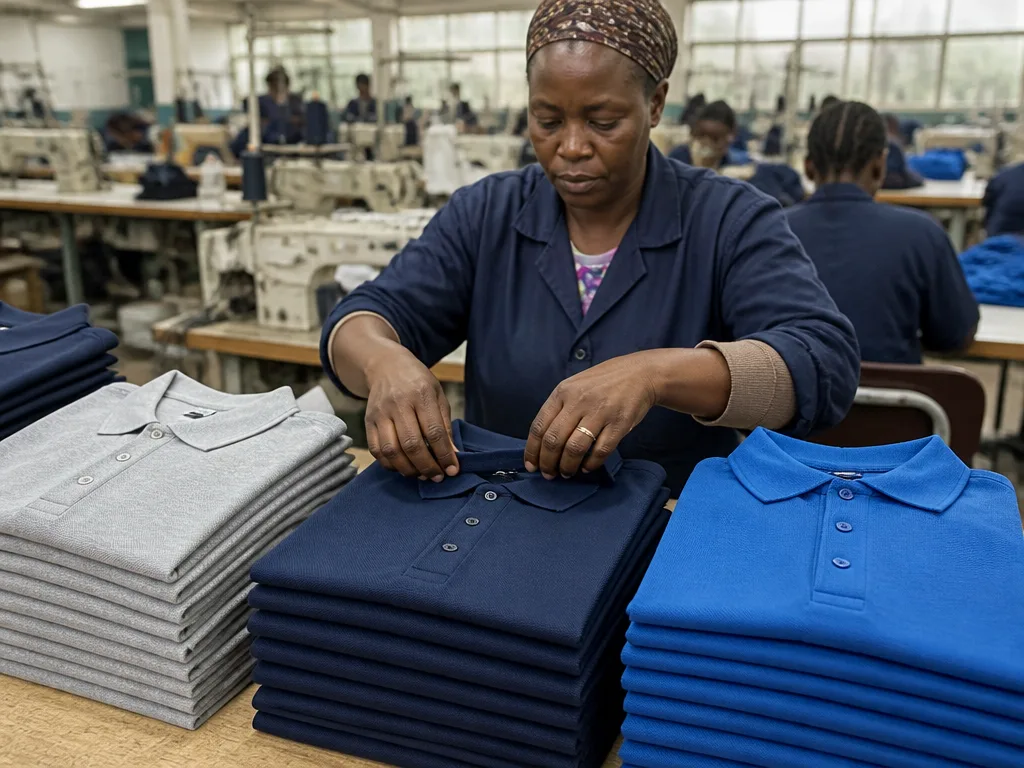
Polo Shirt Collar Engineering: How Durable Collars Are Made
A durable polo collar depends on collar type, interlining, shrink matching, placket construction and wash testing. Here is what to specify and check at sampling.
-
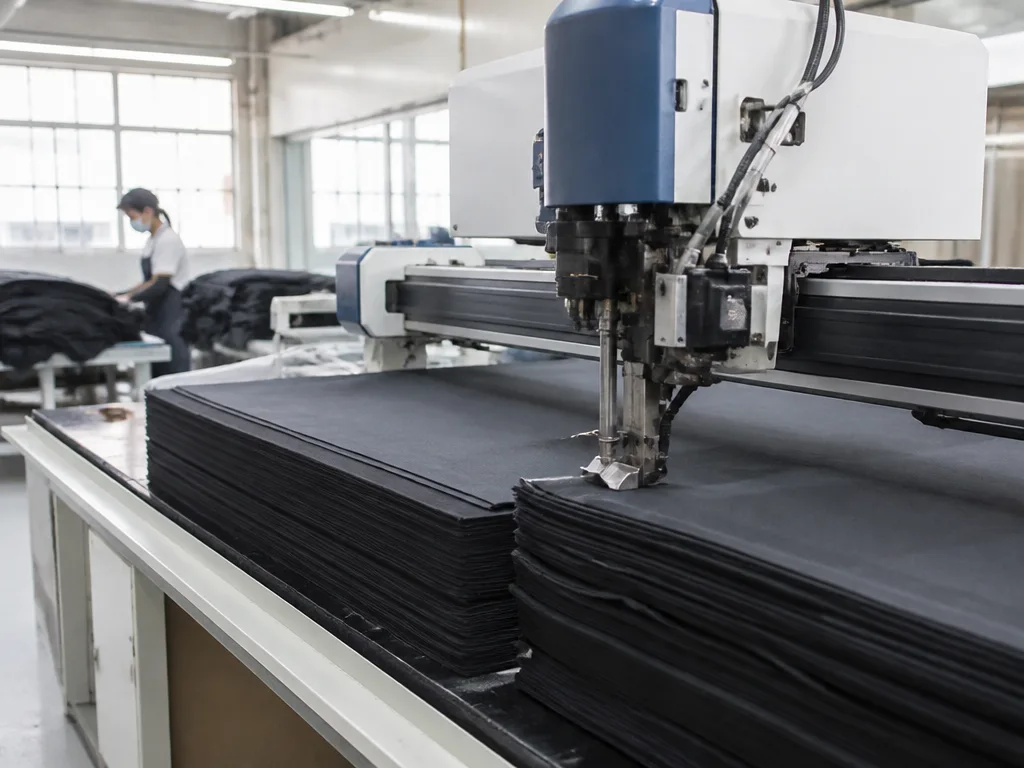
Ensuring Precision With an Automated Cutting Room: How Garment Factories Cut Stretch Fabrics Accurately
Accuracy in the cutting room decides fit, consistency and fabric cost long before a garment reaches the sewing line. Learn how CAD markers, automatic spreading and computerized cutting solve the challenges of cutting elastic and knit fabrics.
-
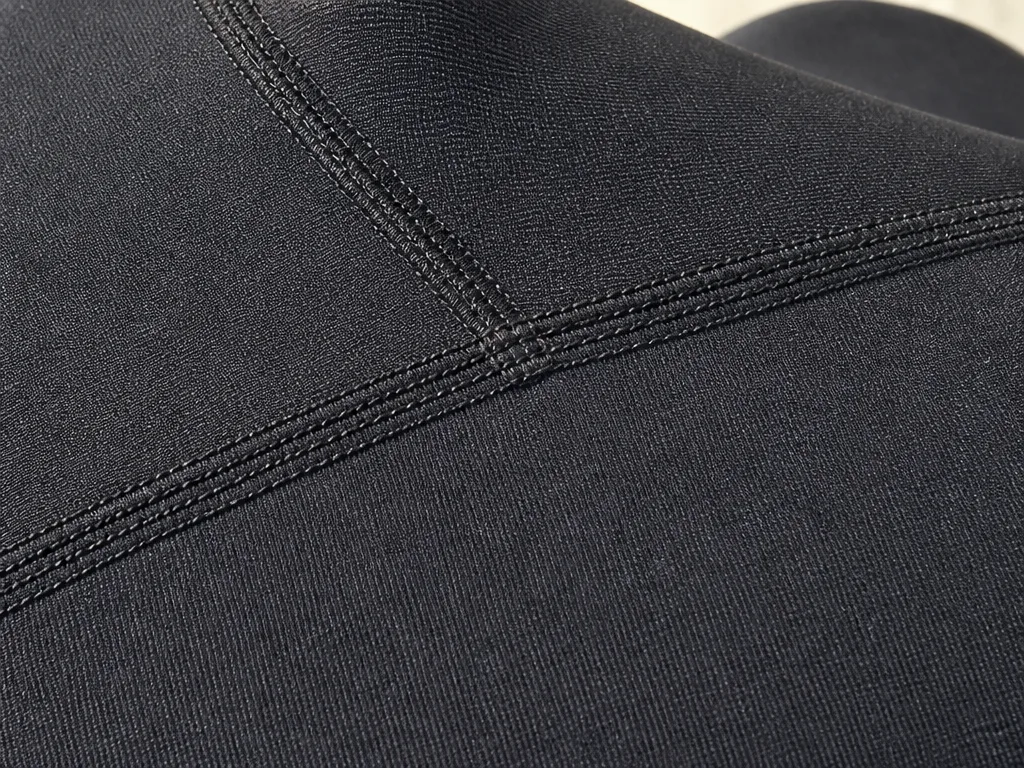
Flatlock Stitching: Benefits for Comfort, Elasticity and Durability in Activewear
Flatlock seams lie flat against the skin, stretch with the fabric and hold up to repeated wear. Learn how flatlock stitching works, how it compares with overlock and coverstitch, and how to specify it for activewear and base layers.