-
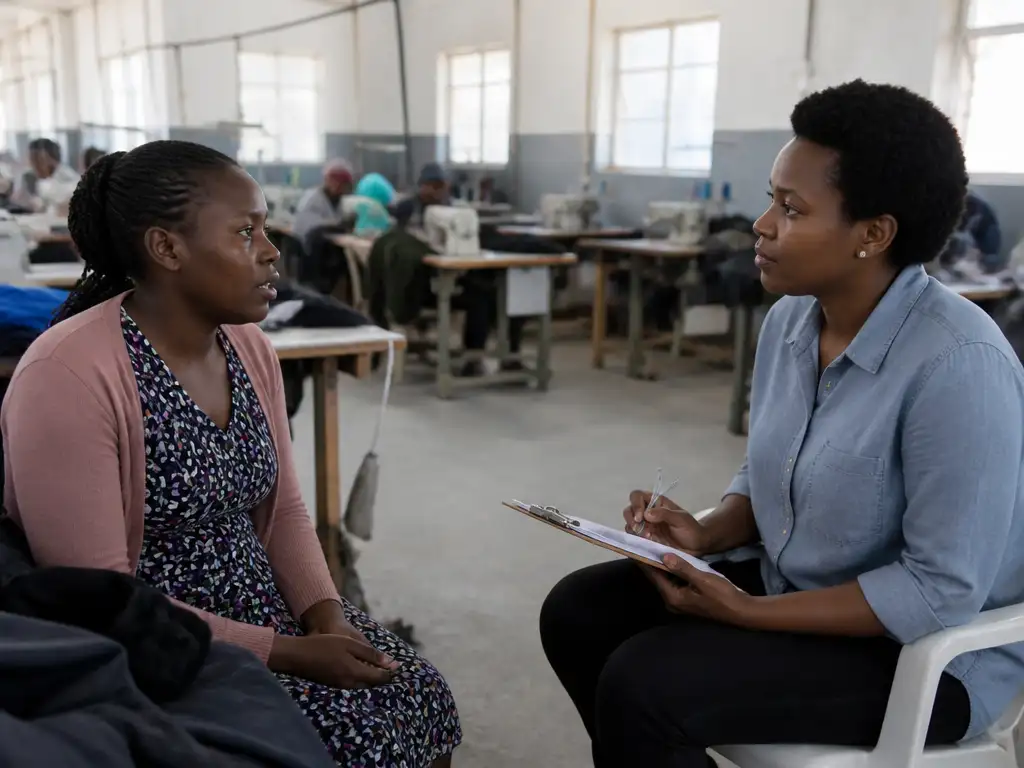
SMETA Audit Explained: 2-Pillar vs 4-Pillar
What a SMETA audit is, how the 2-pillar and 4-pillar formats differ, what auditors check on site and how buyers should read the report and corrective action plan.
-
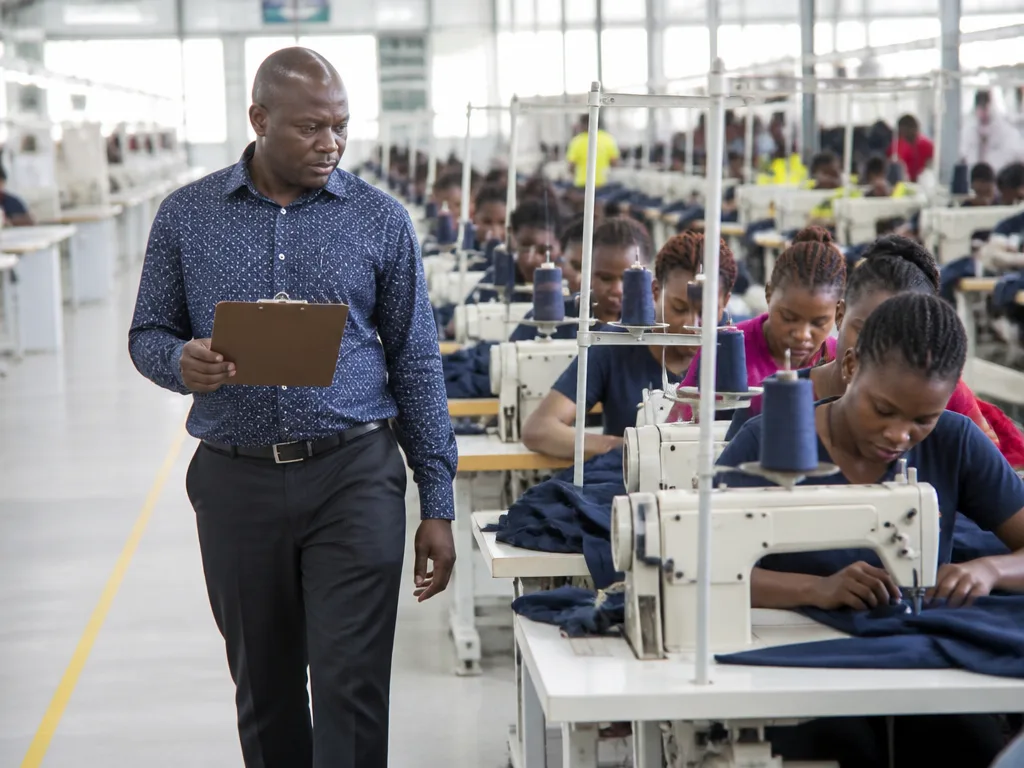
What Is an FCCA? Factory Capability and Capacity Assessment Explained
The FCCA (Factory Capability and Capacity Audit) checks whether a factory can make the required quality and volume. Learn where it comes from, what its sections cover, how results are used, and how it differs from social audits and product…
-
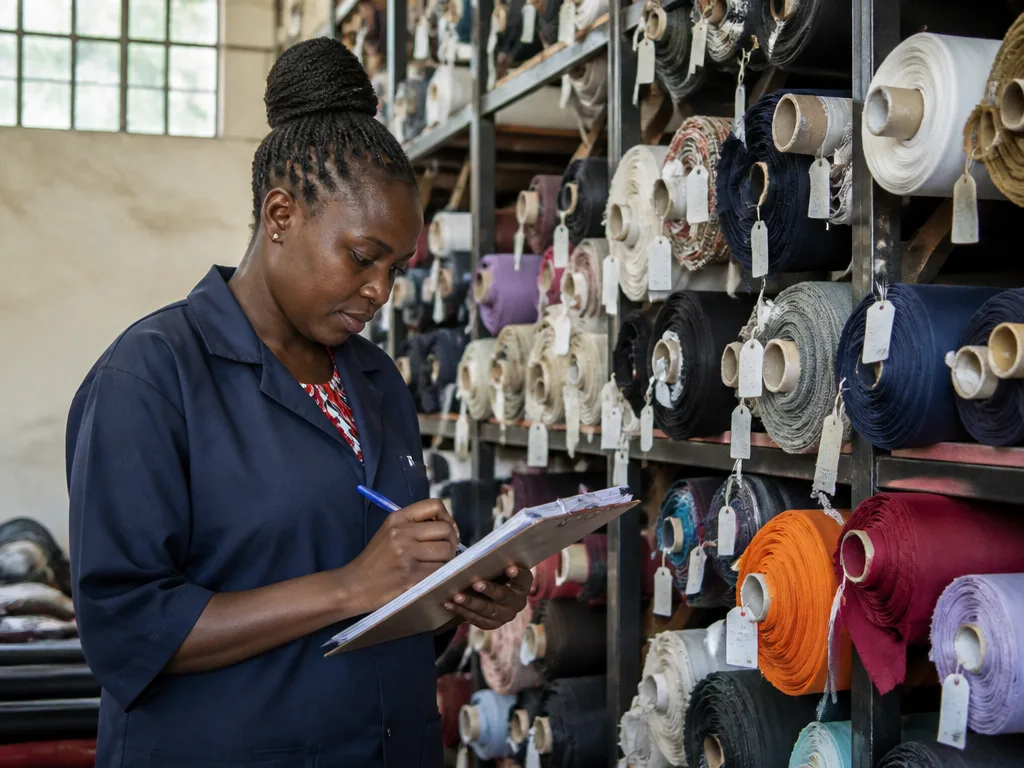
Apparel Supply Chain Traceability: How Brands Build Trust and Meet Regulations
A practical guide to apparel supply chain traceability: the four supply chain tiers, the documents that prove origin, the UFLPA and EU forced labour rules driving change, and how a Kenyan factory using third-country fabric under AGOA documents input origin.
-
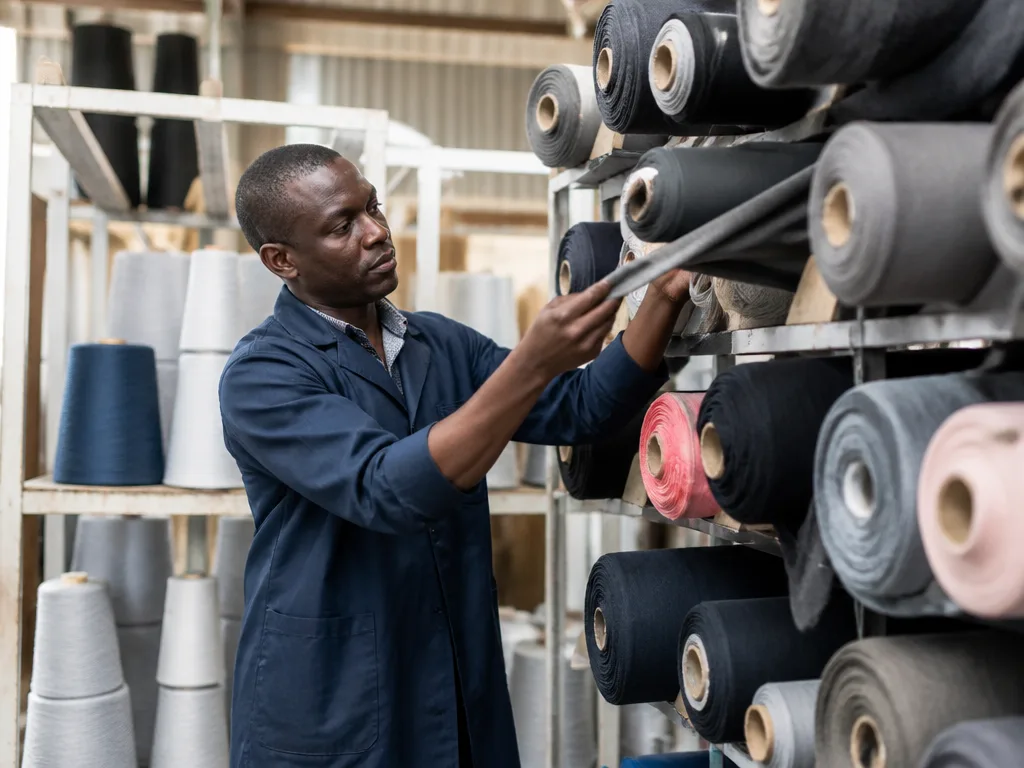
GRS Certified Apparel: Why It Matters for Brands in 2026
What GRS certified apparel really means for brands: how GRS differs from RCS, how scope and transaction certificates prove a recycled claim, what the 2026–2029 Materials Matter transition changes, and a practical checklist for sourcing GRS products.
-
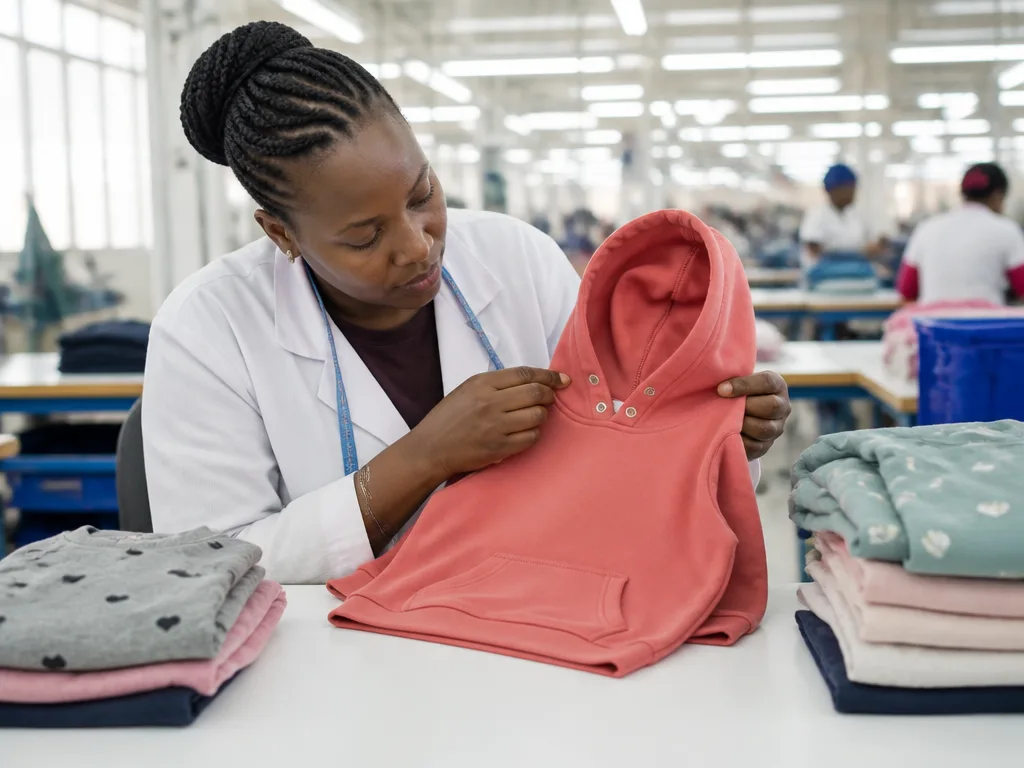
Childrenswear Safety Standards: A Guide to Testing and Risk Management
A practical guide to childrenswear safety standards for US and EU markets: CPSC drawstring rules, flammability, lead and phthalates, tracking labels, the Children’s Product Certificate and EN 14682, plus how to build risk management into development and production.
-

Is Kenya the Next Hub for Ethical Apparel Manufacturing?
Kenya’s export apparel industry employs tens of thousands of people, most of them women, under export processing zone rules and international audit frameworks. Here is what ethical manufacturing looks like in Kenya and how brands can verify it.
-
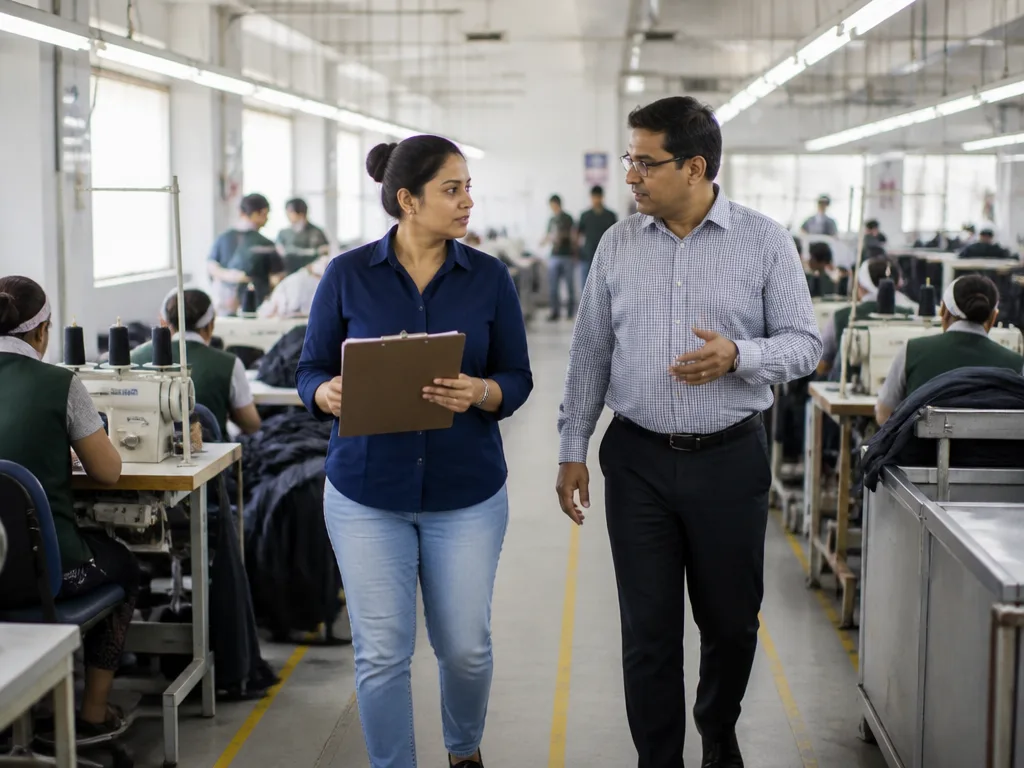
WRAP Certified Factory: What It Means for Global Apparel Brands
WRAP certification is one of the most widely requested social compliance credentials in apparel. This guide explains WRAP’s 12 principles, certification levels, the audit process and how to read a supplier’s certificate.