-
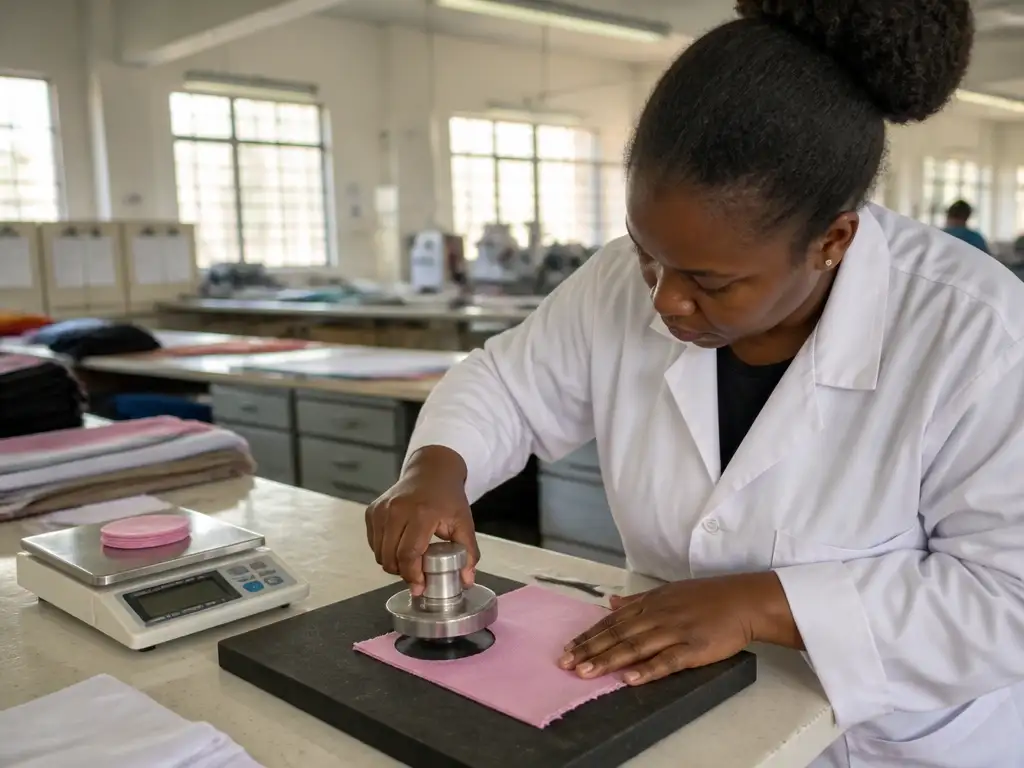
What Is GSM in Fabric? Choosing the Right Weight
What GSM fabric weight means, how it is measured, indicative GSM ranges for T-shirts, polos, hoodies and activewear, and how to write fabric weight into your specification.
-
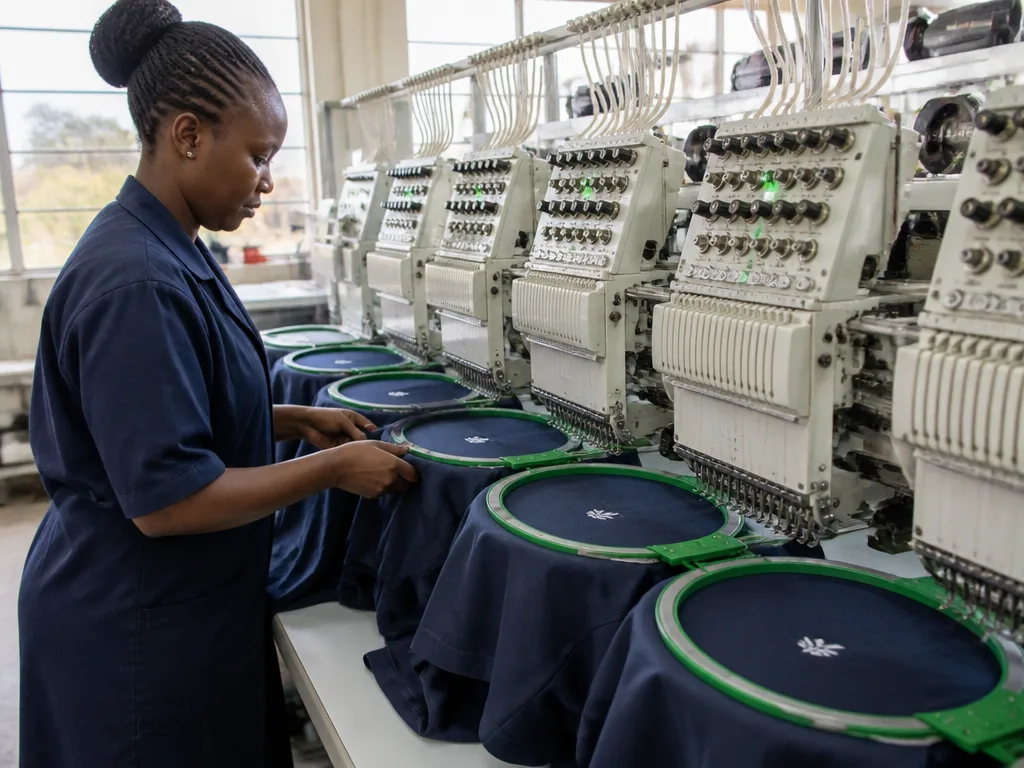
Custom Embroidery Explained: A Complete Guide for Apparel Brands
Digitizing, stitch types, backing, multi-head production, placement and cost drivers: what apparel brands need to know to brief custom embroidery and judge samples with confidence.
-
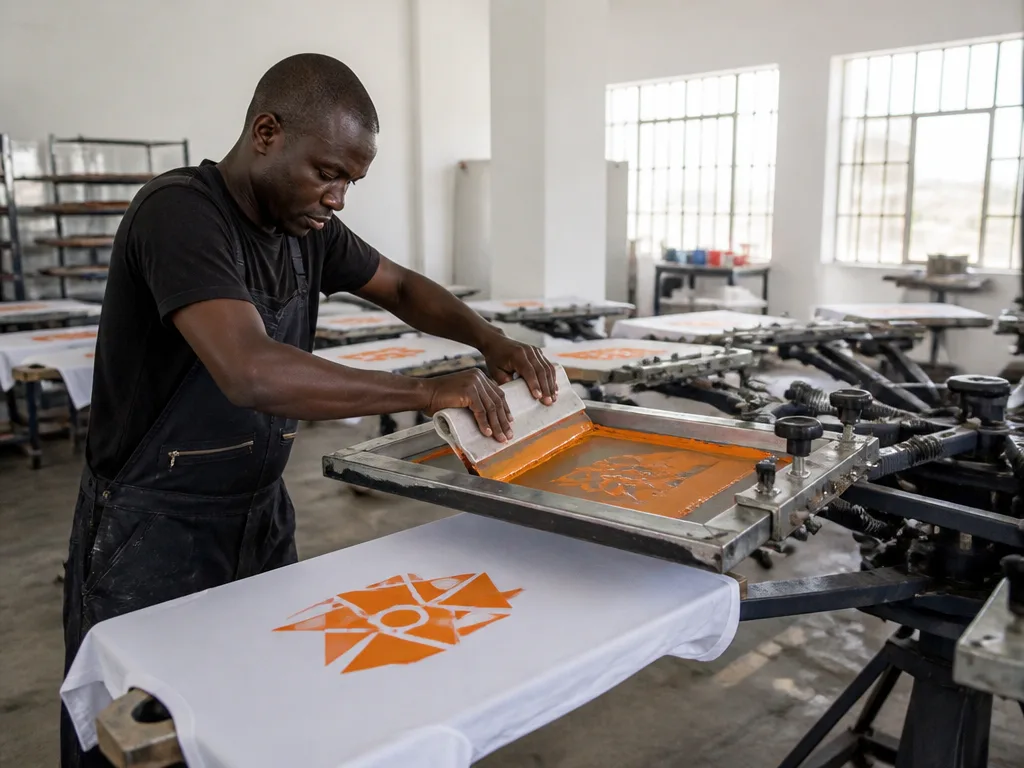
Graphic Screen Printing for Apparel Brands: A Complete Guide
How graphic screen printing works, when to choose it over DTG or heat transfer, how to prepare artwork, and which tests confirm a print will survive washing and wear.
-
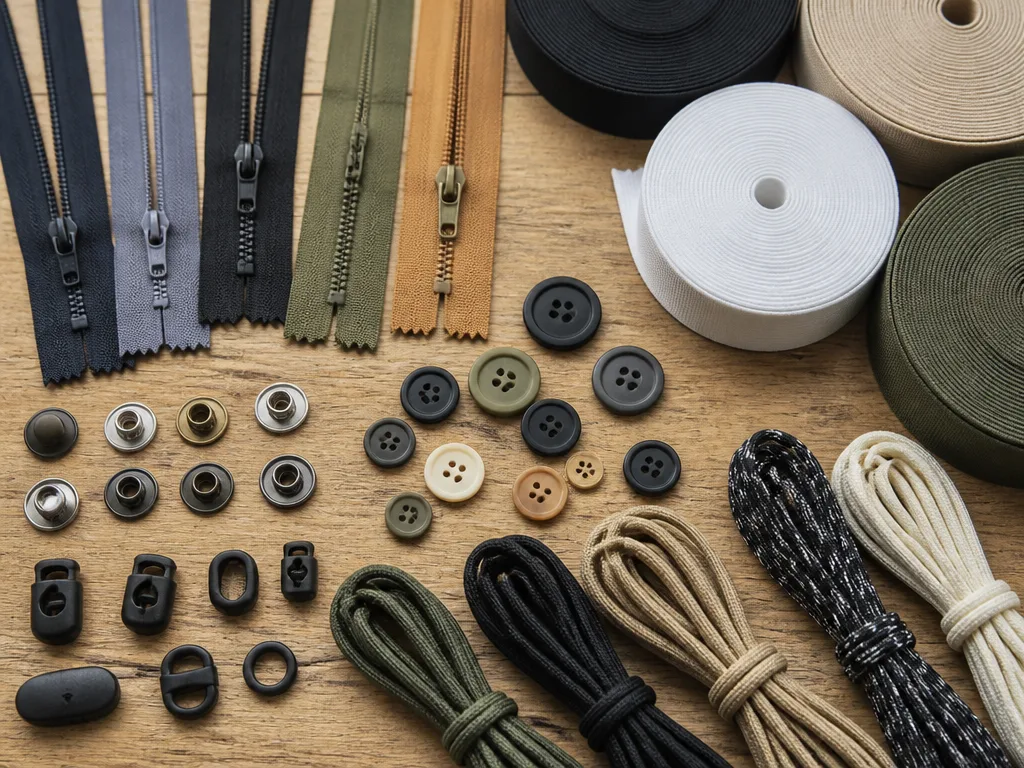
Apparel Trim Sourcing: How to Optimize Cost and Value
A practical guide to sourcing zippers, buttons, labels, elastics and packaging: when to nominate trims, how trim cards keep production aligned, and which tests protect quality.
-
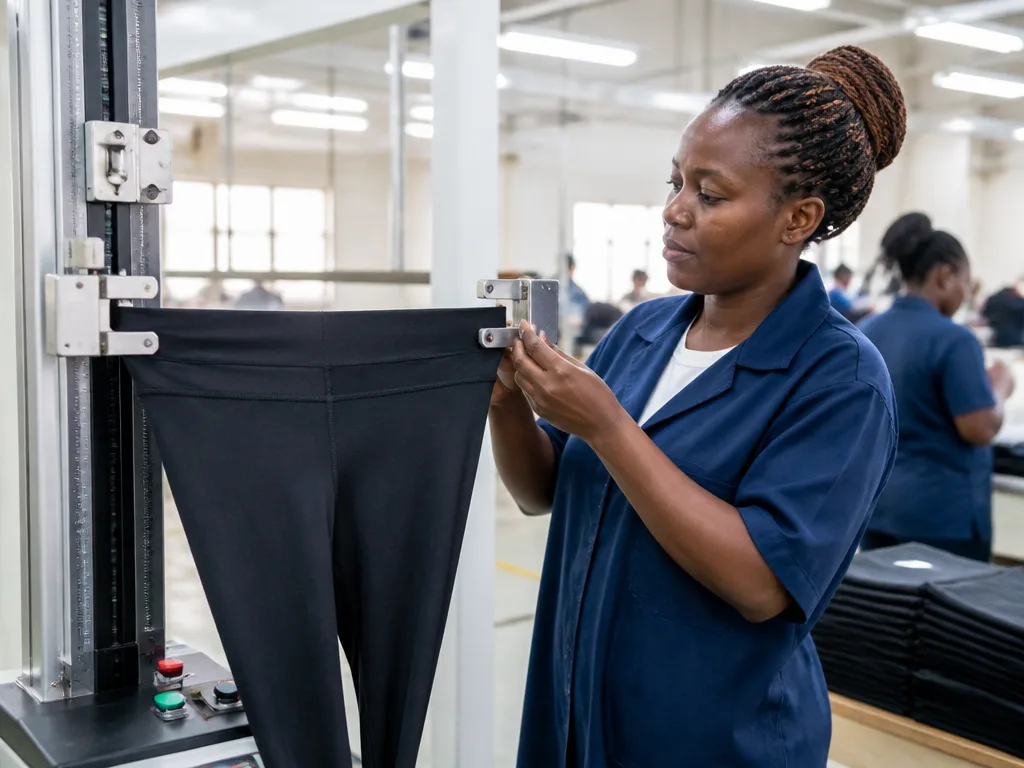
Spandex Longevity: How to Keep Stretch Garments Performing
Why spandex loses its stretch through heat, chlorine, sweat, UV and mechanical stress, and the construction, testing and care-label choices that keep leggings and swimwear performing.
-
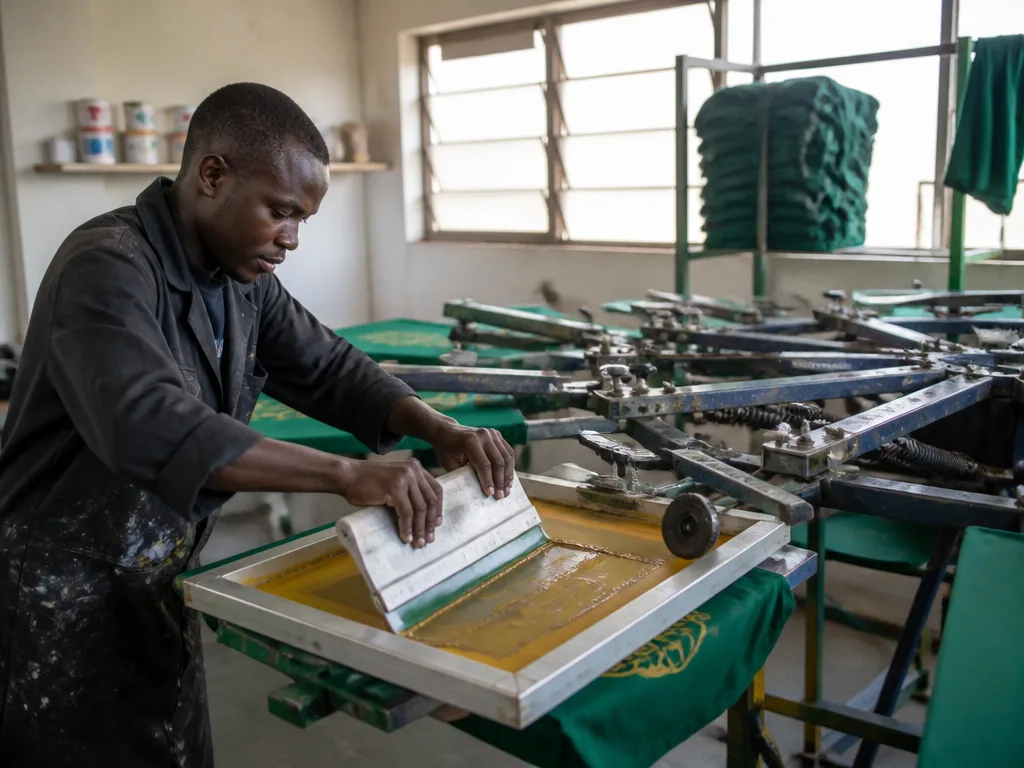
Water-Based vs Plastisol Inks: Which Is Right for Your Apparel Prints?
Water-based and plastisol inks differ in hand feel, opacity, curing and compliance. This guide explains how to choose and specify the right ink for each garment and fabric.
-
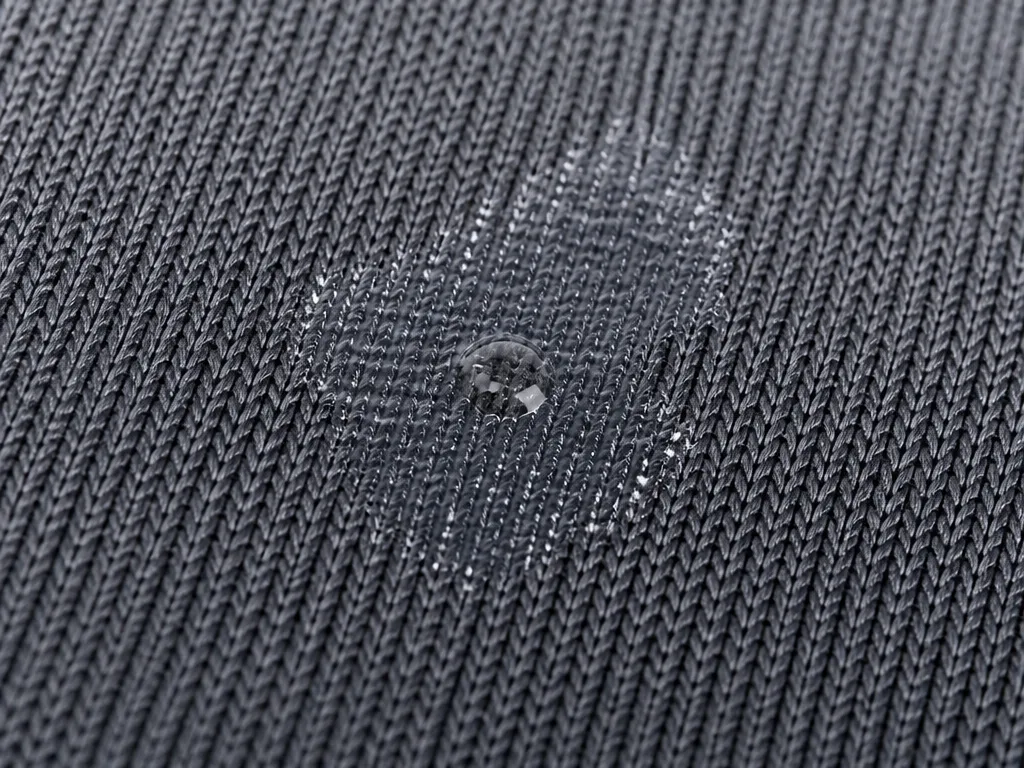
How Moisture-Wicking Fabric Technology Works
A practical explanation of how moisture-wicking fabric moves sweat through capillary action, which fiber, yarn and finish choices control it, and how AATCC tests verify it.
-
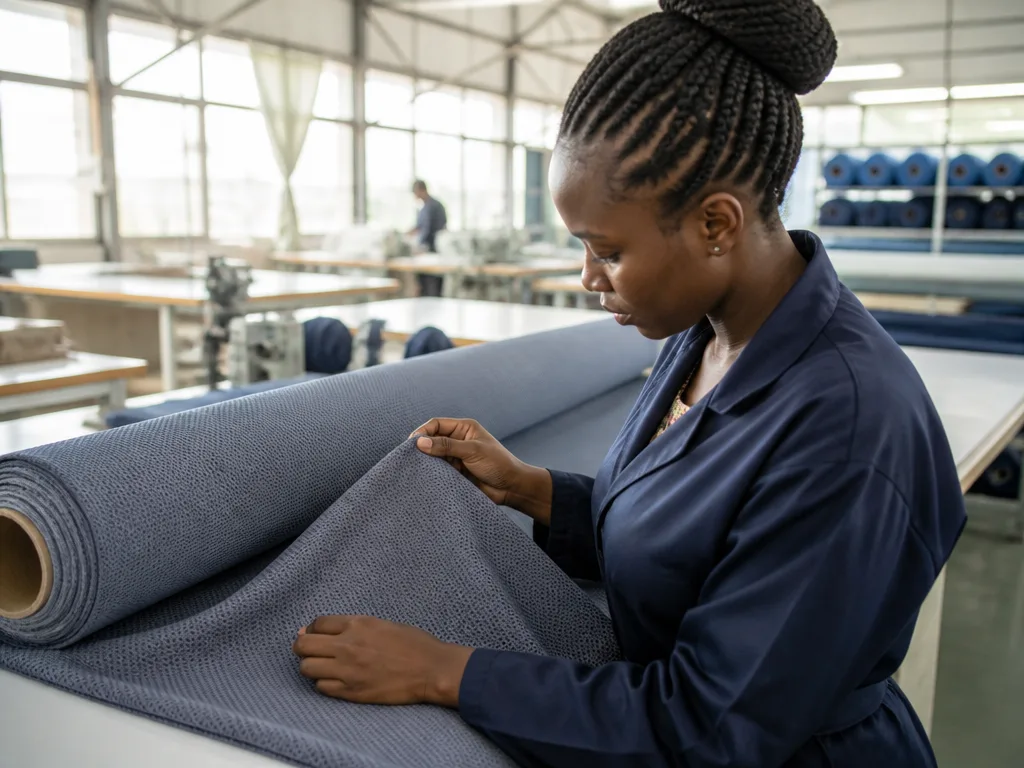
Recycled Polyester Activewear: Performance, Trade-offs and Sourcing
How recycled polyester (rPET) compares with virgin polyester in activewear, what GRS and RCS claims require, and which tests to request before approving bulk fabric.